Stationery Cardboard Box Dieline Templat Graphics and Print Templates
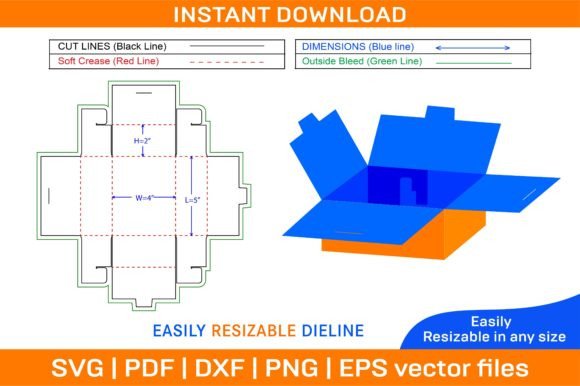
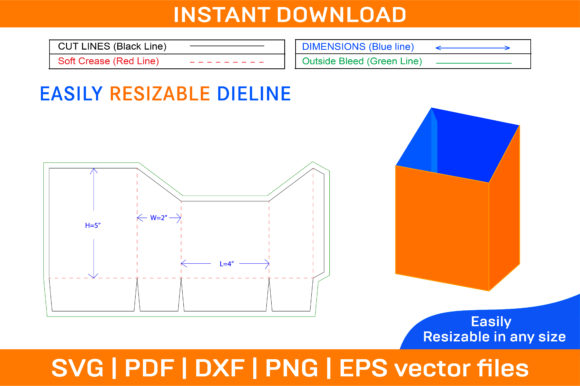
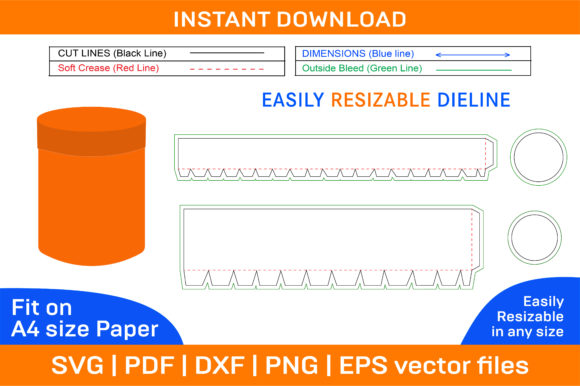
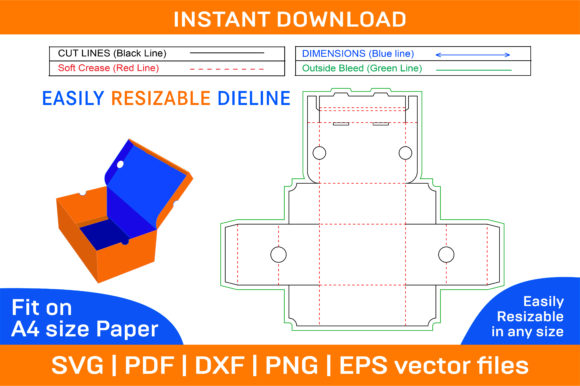
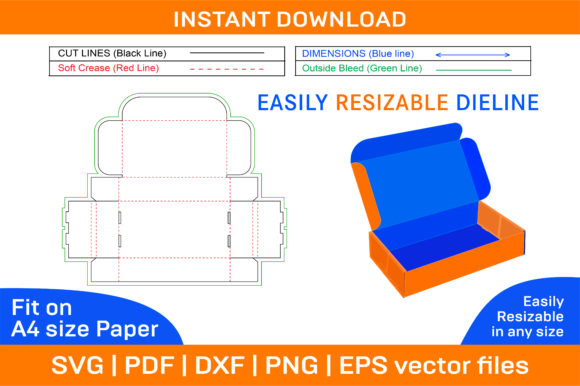
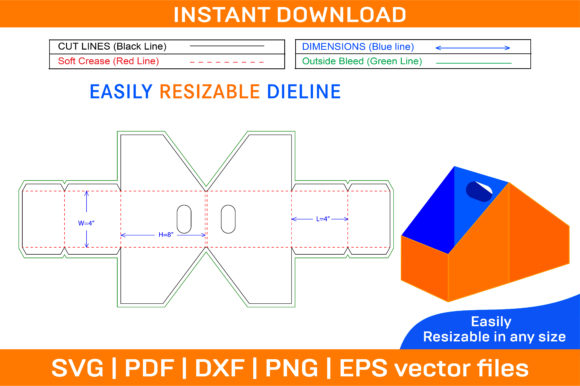
As a brand designer who has spent years helping local businesses transition from garage projects to shelf-ready products, I know that packaging is often the first physical touchpoint a customer has with a brand. It is not just a container; it is a silent salesman. Recently, I evaluated a specific asset for a client project involving a boutique skincare line, and it provided some valuable insights into how digital assets can influence real-world branding. The asset in question is the Stationery Cardboard Box Dieline Templat, a comprehensive design resource that includes a 3D box design, paper box layout, folding box structure, foldable box configuration, and a printable box template. For small business owners, product sellers, and creative entrepreneurs looking to elevate their small business branding, understanding the practical application of such a graphic design asset is crucial.
The First Impression: Mood and Brand Personality
When you first open the ZIP archive containing this stationery cardboard box dieline templat, the immediate feeling is one of structured elegance. The design does not scream for attention with loud colors or chaotic patterns; instead, it whispers sophistication. It suggests a brand personality that is clean, organized, and thoughtful. This mood fits perfectly with businesses that want to appear premium yet approachable. Whether you are running a handmade soap business, a local coffee roastery, or a boutique home decor shop, this asset provides a neutral yet stylish foundation that allows your unique brand identity to shine through without competing with the packaging structure itself.
The visual hierarchy established by the dieline is intuitive. It guides the eye naturally across the panels, which is essential for product label legibility and overall aesthetic balance. For a florist arranging seasonal bouquets or a candle maker showcasing scents, this modern design offers a canvas that feels professional and polished. It bridges the gap between handmade warmth and commercial design standards, making it an excellent choice for local business owners who need to look established even at the early stages of growth.
Real-World Application in Local Business Projects
In my recent review, I applied this asset to a hypothetical but realistic scenario: launching a new line of organic bath salts for a local wellness studio. The asset’s versatility was immediately apparent. The included files—SVG, PDF, EPS, DXF, AI, and PNG—allow for extensive customization. Here is how this design asset supported various aspects of the brand presentation:
- Packaging Design and Product Labels: The dieline served as the backbone for the box structure. By integrating the logo and key product information directly onto the SVG design, we ensured that the visual hierarchy remained clear. The flat layout allowed us to preview exactly how the text would wrap around the corners, preventing any awkward distortions in the final printable design.
- Social Media Graphics and Marketing Visuals: The PNG files provided transparent backgrounds that were perfect for overlaying on lifestyle photos. We used these elements to create Instagram posts that showcased the unboxing experience. This helped build anticipation before the product even reached the customer’s hands, enhancing the emotional connection with the brand.
- Promotional Materials: Beyond the box itself, the geometric lines and structural elements of the dieline were extracted to create hang tags and thank-you cards. This consistency across different marketing visuals strengthened the overall brand identity, making the entire suite of materials feel cohesive and professionally curated.
Supporting Business Presentation and Customer Trust
Investing in high-quality graphics and print templates is not just about aesthetics; it is about building trust. When a customer picks up a product with well-designed packaging, they subconsciously associate that care in presentation with care in production. Using the Stationery Cardboard Box Dieline Templat helps achieve several key business goals:
- Stronger First Impression: A clean, well-structured box stands out on crowded shelves or in online store thumbnails. It signals quality immediately.
- Better Product Recognition: Consistent use of the dieline’s structural lines across all packaging variants creates a recognizable visual signature for the brand.
- Improved Customer Trust: Professional-grade design assets reduce the perception of risk for buyers, encouraging them to try new products from smaller brands.
- More Polished Marketing Visuals: High-resolution mockups derived from the AI and PSD files allow for stunning website banners and promotional ads that look expensive without the high production cost.
Where This Asset Works Best
This stationery cardboard box dieline templat is particularly effective in specific contexts where clarity and elegance are prioritized. It works beautifully as a hero graphic for e-commerce listings, allowing customers to see the full potential of the packaging. It is ideal for decorative brand elements on seasonal packaging, such as holiday gift sets or summer limited editions. Furthermore, its clean lines make it suitable for boutique visuals in retail environments, where simplicity often speaks louder than complexity. Social media campaign graphics also benefit from the asset’s adaptability, as the vector files can be scaled infinitely without losing quality.
Areas Requiring Careful Consideration
However, no single asset is a universal solution. There are scenarios where using this graphic design asset requires caution. For instance, if you are creating formal corporate branding for a law firm or financial institution, the stationery-style aesthetic might feel too casual or artistic. Similarly, for very small labels or crowded product packaging that must include extensive ingredient lists, legal disclaimers, and nutritional information, the intricate details of the dieline might compete with necessary text. In these cases, it is better to use simpler, more minimalist layouts. Additionally, ensure that the contrast is sufficient when placing white or light-colored graphics on dark backgrounds, as this can affect readability and print quality.
Practical Notes for Designers and Entrepreneurs
Before incorporating the Stationery Cardboard Box Dieline Templat into your final production run, there are several technical checks every designer should perform. First, always test the design on real packaging mockups to verify scale and proportion. Check how the asset looks in black and white, as this reveals the strength of the underlying shapes and composition. Preview the design on small labels to ensure text remains legible. It is also wise to test the asset with your specific brand colors to see how they interact with the existing palette.
Comparing your final design against competitor packaging can provide valuable context for market positioning. Inspect the SVG and vector files for editability, ensuring you can adjust paths and nodes as needed. Test the typography by pairing the box design with serif, sans-serif, script, handwritten, and display fonts to find the best match for your brand voice. Finally, confirm the commercial license terms before using the asset for client work, physical product sales, or large-scale digital product distribution. Ensuring you have the right permissions protects your business and respects the original creator’s rights.
In conclusion, the Stationery Cardboard Box Dieline Templat is a versatile and powerful tool for anyone looking to enhance their professional branding. Whether you are a seasoned marketer or a creative entrepreneur just starting out, this print template offers the structural integrity and aesthetic appeal needed to make a lasting impression. By carefully applying these design assets to your packaging design and promotional materials, you can create a cohesive brand experience that resonates with customers and drives growth for your local business.