Kraft Paper Cardboard Shoes Box Dieline Graphics and Print Templates
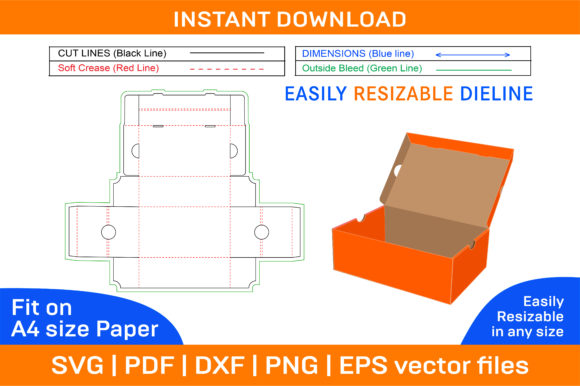
When a client approaches me with a request for packaging that screams "sustainable," "handcrafted," or "authentic," my mind immediately goes to textures that feel grounded and tactile. I recently reviewed the Kraft Paper Cardboard Shoes Box Dieline for a boutique sneaker brand launching their eco-friendly line, and it offered a compelling starting point for our visual direction. This isn't just a flat image; it is a comprehensive design bundle that bridges the gap between conceptual mood boards and production-ready files. As a professional designer who values efficiency without sacrificing aesthetic integrity, I found this asset to be a robust tool for packaging design and brand identity work.
The First Impression: Earthy Authenticity Meets Structural Precision
The immediate visual impact of the Kraft Paper Cardboard Shoes Box Dieline is its ability to evoke warmth and reliability. In an era where consumers are increasingly skeptical of glossy, mass-produced aesthetics, this template taps into the growing demand for organic materials. The brown tones and subtle texture mimic real corrugated cardboard, creating an instant association with quality and environmental responsibility. It fits naturally into projects for small business branding, handmade businesses, and artisanal product lines.
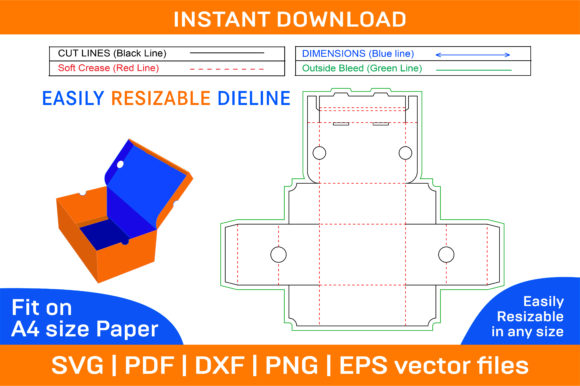
What sets this apart from generic clipart is the structural awareness embedded in the design. It doesn't just look like a box; it functions as a blueprint. For designers working on product mockups or editorial design, having a dieline that respects the geometry of a folding box allows for more realistic presentations. When we placed this asset into a 3D rendering for our client, the shadows and folds aligned perfectly with the lighting setup, lending an air of professionalism that often takes hours to achieve from scratch.
Performance in Real-World Design Scenarios
I tested this asset across various mediums to see how it holds up under different creative demands. Here is how it performed in key areas:
- Packaging Design and Mockups: This is the asset's sweet spot. The included Svg design and vector formats allow you to scale the dieline without losing edge definition. Whether you are designing labels for shoe boxes or creating product mockups for an Etsy shop, the clean lines ensure that your branding elements sit correctly on the panels.
- Social Media Graphics: For Instagram posts or Pinterest pins, the kraft paper texture adds depth to flat-lay photography. It serves as an excellent background or overlay for showcasing products, enhancing the visual hierarchy by providing a neutral yet textured canvas that makes colorful products pop.
- Printable Designs and Stickers: The high-resolution Png design options are particularly useful for digital sellers. You can use the box shape as a base for creating sticker sheets or printable tags. The transparency in the PNG files allows for easy integration into layered compositions in Photoshop or Canva.
- Cricut Projects and Sublimation: Crafters will appreciate the precision of the DXF and SVG files. These formats are ideal for cutting machines, allowing users to create physical replicas of the box design for crafts or prototyping. For sublimation design, the detailed vector paths ensure that prints transfer cleanly onto mugs, tote bags, or t-shirt designs.
Where the Asset Shines
The Kraft Paper Cardboard Shoes Box Dieline excels in large layout areas and hero graphics. When used as a central element in a poster or flyer, it anchors the composition. It is also highly effective for decorative accents in web design, adding a touch of rustic charm to landing pages for handmade goods. For marketing visuals aimed at eco-conscious audiences, the natural aesthetic builds immediate trust and recognition. It works beautifully as part of a themed collection, such as a holiday gift set or a seasonal campaign focused on sustainability.
Areas Requiring Careful Consideration
No asset is perfect for every context. There are scenarios where this dieline might not be the best choice:
- Minimalist Branding: If a client requires ultra-clean, corporate materials with strict white space, the inherent texture of the kraft paper might clash with their desired modern design aesthetic.
- Small Sizes: At very small scales, such as favicons or tiny icons, the details of the cardboard texture may become muddy. It is best reserved for larger applications where the texture can be appreciated.
- Low-Contrast Designs: Because the base color is a medium-dark brown, placing light-colored text directly over the texture without a backing layer can compromise readability. Always check contrast ratios to maintain accessibility standards.
Practical Designer Notes for Implementation
Before integrating this asset into a commercial project, I recommend following these practical steps to ensure the highest quality output:
- Inspect File Formats: The ZIP archive contains SVG, PDF, EPS, DXF, AI, and PNG files. Use the vector formats (SVG, AI, EPS) for scalability and editing. Check the SVG code if you plan to modify paths in Illustrator to ensure there is no unnecessary clutter.
- Test Print Quality: If you are using this for actual packaging, always print a test copy. Monitor colors on screen versus on paper, as RGB screens can make the brown appear brighter than CMYK prints.
- Review Transparency: Inspect the PNG transparency carefully. Ensure that the edges are clean and do not have unwanted halos, especially when placing the box on dark backgrounds.
- Font Pairing: Experiment with typography. A serif font can enhance the classic, trustworthy feel, while a handwritten font might emphasize the handmade aspect. Avoid overly rigid sans-serif fonts unless they are paired with ample negative space.
- Commercial Licensing: Confirm the commercial license terms before using this for a client or business project. Ensure you are allowed to modify the asset and distribute the final design.
Final Verdict on Visual Trust and Engagement
The Kraft Paper Cardboard Shoes Box Dieline does more than just provide a shape; it provides a narrative. In a crowded marketplace, the emotional appeal of sustainable packaging can significantly boost audience engagement. It signals to the customer that the brand cares about the unboxing experience and the environment. For designers, this asset saves valuable time, allowing them to focus on the creative details—like logo placement and color schemes—rather than drawing box structures from scratch.
Whether you are a graphic designer preparing a pitch deck, a content creator making social media graphics, or a small business owner looking to elevate your Etsy product presentation, this dieline is a versatile addition to your library of design assets. It supports a wide range of styles, from rustic and vintage to modern and eco-conscious. By understanding its strengths and limitations, you can leverage this template to create polished, professional results that resonate with your target audience.
In summary, this is a high-quality graphic design asset that delivers on both form and function. It is suitable for real client projects where authenticity and structure are paramount. I would confidently recommend it for use in print-on-demand businesses, boutique retail packaging, and any creative endeavor that benefits from the warm, inviting presence of kraft paper.