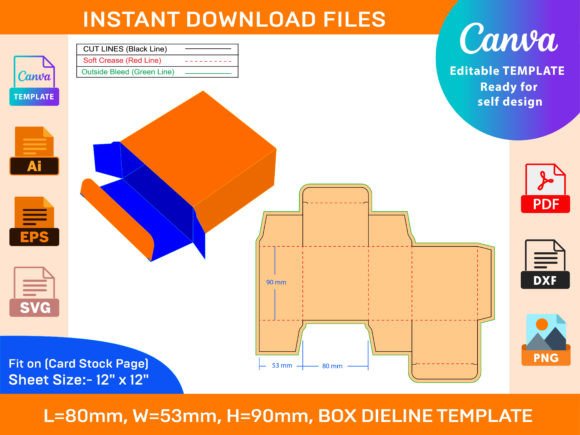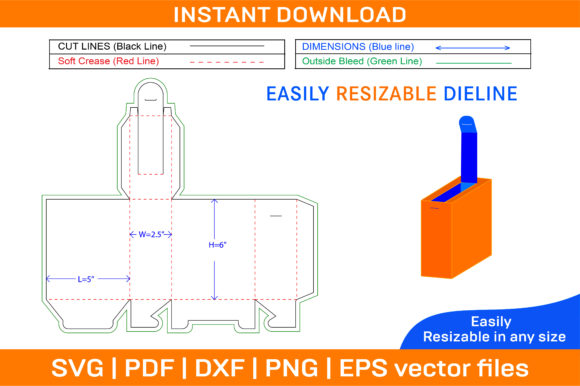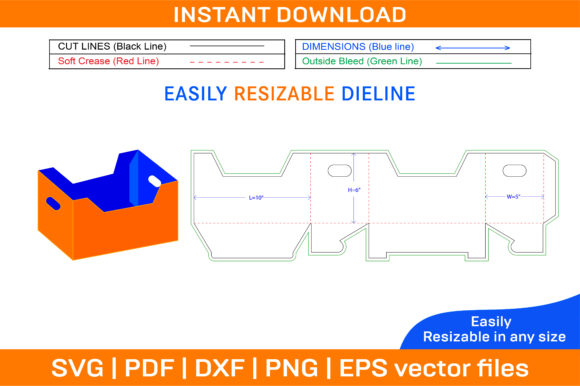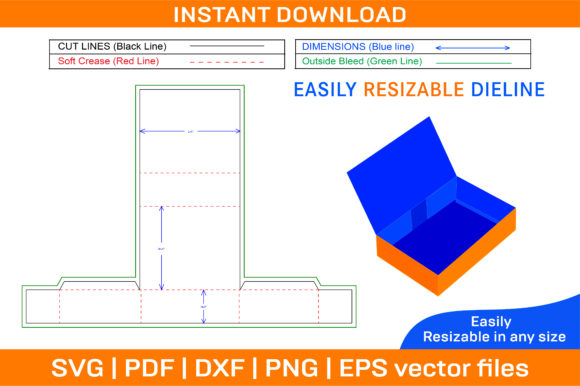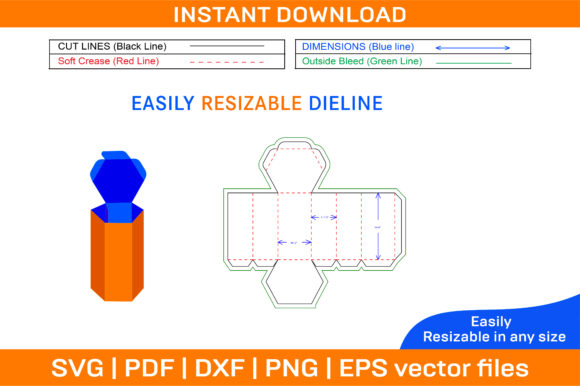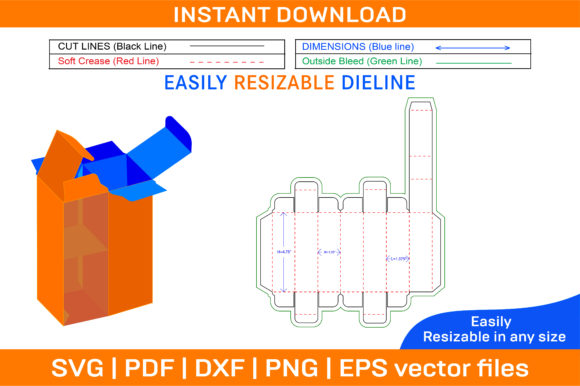
Reviewing Cosmetic Packaging Box Dieline Template for Embroidery
When I sit down to evaluate a new digital asset for my studio, I am rarely looking at it purely as a graphic. I am looking at it as a potential stitch pattern. As an experienced designer and embroidery product reviewer, I spend my days translating flat vector art into textured, tactile realities on fabric. This means that when I pull a file like the Cosmetic Packaging Box Dieline Template from a folder labeled "Print Templates" and "Graphics," I immediately start asking questions about tension, density, and how the final piece will hold up in the real world.
The concept here is interesting because it bridges two distinct worlds: packaging design and textile art. A dieline template is typically used to create physical boxes, but in the hands of a creative entrepreneur, it can become the central motif for a branded merchandise line or a high-end personalized gift. In this review, I will break down how this specific design translates from a screen to a hoop, where it shines, and where you need to be careful with your machine settings.
First Impressions and Visual Personality
The first thing that strikes me about the Cosmetic Packaging Box Dieline Template is its clean, architectural geometry. Unlike organic floral motifs or whimsical illustrations that dominate many embroidery shops, this design relies on structure. It evokes a mood of minimalism, organization, and modern luxury. For an embroidery designer, this is a double-edged sword. The sharp lines and defined edges promise a crisp finish, but they also demand precision.
Visually, the design feels suited for a boutique aesthetic. It suggests a brand that values presentation and quality. When I imagine this stitched onto a product, I don't see it as a childish applique; I see it as a sophisticated logo placement on a retail-ready item. The layout has a strong visual personality that communicates professionalism. If you are building a brand around self-care, beauty, or organized living, this design naturally aligns with those themes. It creates a sense of anticipation, much like the act of opening a well-designed package itself.
Real-World Application: From Screen to Stitch
Let’s talk about practical use. I recently considered using a similar structural design for a custom embroidered tote bag intended for a local pop-up shop. The goal was to create a reusable shopping bag that doubled as a marketing tool. The Cosmetic Packaging Box Dieline Template would serve perfectly as the main focal point on the front panel of a canvas tote. Here is how I envision the process unfolding:
- Custom Apparel and Accessories: Placing this design on a heavyweight cotton tote bag allows the structure of the box to stand out. The rigid nature of the box shape contrasts beautifully with the soft drape of the fabric, creating visual interest. It works equally well on a structured cap or a kitchen towel, where the geometric lines mimic the folds of the material.
- Baby Items and Nursery Decor: While the design is modern, it can be softened with thread choice. Using pastel threads to embroider the box outline on a baby onesie or a muslin blanket transforms the "packaging" concept into something tender. It represents the care put into a newborn gift. The clean lines look excellent on smooth jersey knits, provided the stabilizer is chosen correctly to prevent puckering.
- Small Business Merchandise: For Etsy sellers and craft fair vendors, this design offers versatility. You can use it to create embroidered patches that clients can iron or sew onto denim jackets or backpacks. The box shape provides a contained area for branding, making it ideal for a label-style patch. It adds a layer of perceived value to handmade products, signaling that the seller pays attention to detail.
- Holiday and Wedding Gifts: Imagine a set of embroidered tea towels featuring this design for a housewarming gift. Or perhaps a pillow cover for a bridal shower, where the box motif symbolizes the "gift" of marriage. The design’s neutrality allows it to fit various color palettes, making it a safe yet stylish choice for commercial embroidery projects.
Technical Considerations and Potential Pitfalls
However, not every design is created equal, and the Cosmetic Packaging Box Dieline Template requires specific handling to avoid common embroidery mistakes. Because it is based on a dieline, it likely contains thin lines and precise corners that can be tricky for a sewing machine.
Hoop Size and Detail: If you attempt to stitch this in a small hoop size, you risk losing definition. Thin lines may merge together if the stitch density is too high or if the needle penetrates the same spot repeatedly. I recommend testing this design in at least a 4x4 inch hoop minimum to ensure the details remain distinct. If the design includes tiny text or intricate inner patterns, you must inspect these closely before starting.
Fabric Texture and Stability: This design performs best on stable, woven fabrics like cotton, linen, or canvas. Avoid stretchy fabrics like spandex blends unless you are using a heavy-duty tear-away stabilizer and a ballpoint needle. On textured fabrics like terry cloth or fleece, the fine lines of the box template may get lost in the pile of the fabric. The contrast between the thread and the fabric becomes critical here; dark threads on dark fabric will obscure the geometric clarity of the design.
Stitch Density and Thread Colors: Pay close attention to the stitch types used. If the design relies heavily on satin stitches for the borders, ensure the length is appropriate for the width of the line. Long satin stitches on thin lines can look bulky and messy. Fill stitches should be checked for directionality; inconsistent fill angles can make the box look distorted. When selecting thread colors, consider the background. A white box outline on a black tote bag will pop, but a beige outline on a tan apron might disappear. Always test thread color contrast on scrap fabric first.
Curved Surfaces: Attempting to stitch this flat, geometric design onto a curved surface like a baseball cap can result in distortion. The corners of the box may pucker if the fabric is stretched too tightly over the curve. For such applications, it is often better to embroider the design on a flat patch and then attach it to the cap.
Practical Designer Notes for Success
To ensure the Cosmetic Packaging Box Dieline Template delivers a professional result, follow these steps:
- Test on Scrap Fabric: Never run a new design directly onto your final product. Use a scrap piece of the same fabric and stabilizer combination to check for puckering, tension issues, and alignment.
- Check File Formats: The archive contains SVG, PDF, EPS, DXF, AI, and PNG files. Ensure you are using the correct format for your embroidery software. Vector files like SVG or AI can be scaled without losing quality, which is helpful if you need to adjust the size before converting to an embroidery file.
- Inspect Small Details: Zoom in on the digital file. Are there any hairline elements that might not stitch well? If so, consider simplifying the design or removing unnecessary internal lines.
- Verify Licensing: Before selling finished items or digital mockups, confirm the licensing terms. Some templates are for personal use only, while others allow commercial application. This is crucial for Etsy sellers and small business owners who rely on income from these products.
- Use Proper Stabilizer: Match the stabilizer to the fabric weight. Light fabrics need light stabilizers, while heavy canvas can handle heavier backing. Incorrect stabilizer choice is the most common cause of poor embroidery results.
Final Verdict
The Cosmetic Packaging Box Dieline Template is a versatile asset for designers who want to add a touch of modern elegance to their embroidery projects. It is not a beginner-friendly design due to its reliance on precision, but for those with experience in managing stitch density and fabric stability, it offers a unique opportunity to create high-value, branded goods. Whether you are crafting a personalized gift for a friend or building a commercial line of tote bags and patches, this design provides a solid foundation for professional-looking results. Just remember: always test, always check your tension, and let the quality of your execution speak for the design.