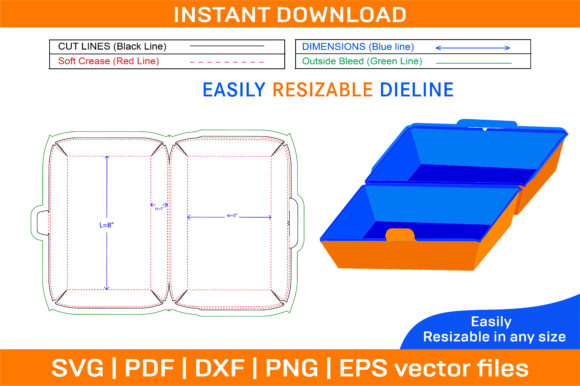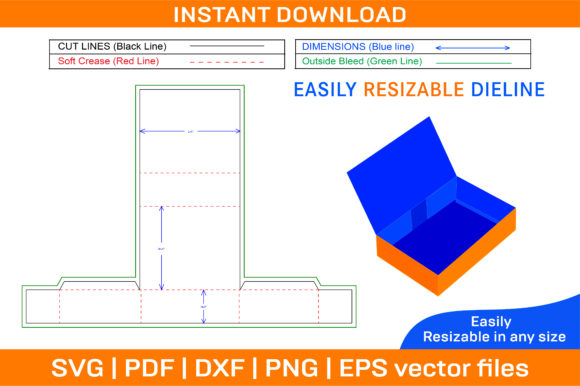
Review: Rigid Box Packaging Dieline Template and
When I sit down to evaluate a new design file for my embroidery studio, I am rarely looking at just the visual aesthetics. I am looking at the structural integrity of the stitch plan, the practicality of the placement, and the commercial viability of the finished piece. As an experienced designer who has stitched thousands of hours into everything from delicate baby rompers to heavy-duty workwear, I know that a beautiful graphic on a screen does not always translate well to thread. Today, I want to talk about a specific asset that caught my eye: the Rigid Box Packaging Dieline Template and. While the title might sound like it belongs strictly in the realm of graphic design or print production, its application in the world of textile arts and handmade goods is surprisingly potent.
The First Impression: Structure Meets Softness
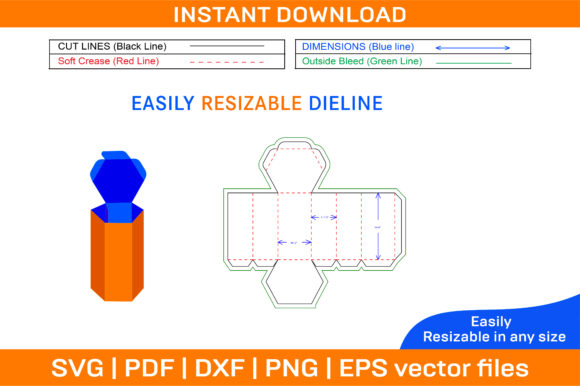
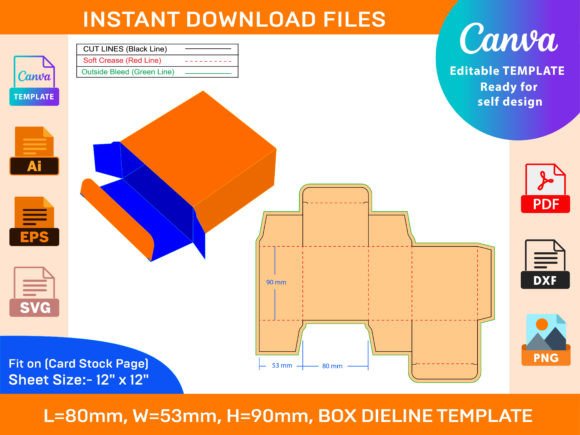
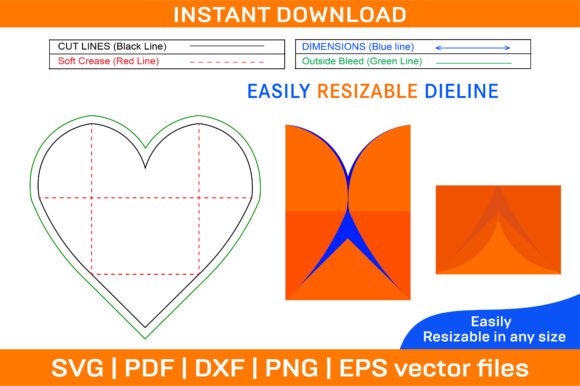
The moment you open the archive containing this machine embroidery design, you notice the precision. The Rigid Box Packaging Dieline Template and offers a clean, geometric aesthetic that contrasts sharply with the organic nature of fabric. It creates a mood of modern minimalism and professional polish. For designers who specialize in boutique branding or high-end gift packaging, this visual personality is exactly what is needed to elevate a simple product.
Visually, the layout feels balanced and intentional. The lines are crisp, suggesting that when translated into thread, the design will have strong definition. This is crucial because embroidery relies on contrast and clear edges to read correctly. A vague shape gets lost in the weave; a defined shape commands attention. This template provides that definition. It feels less like a whimsical doodle and more like a structured element, making it ideal for projects where professionalism and clarity are paramount.
Real-World Application: From Screen to Stitch
Let’s look at how this performs in actual use cases. Imagine you are an Etsy seller preparing a line of custom embroidered tote bags for a local artisan market. You want your brand to look established and trustworthy. Placing the Rigid Box Packaging Dieline Template and on a sturdy canvas tote can create a striking logo-like effect. The rigid lines mimic the structure of a premium package, subtly communicating to the customer that the contents inside—whether they are soaps, candles, or knitted goods—are valuable and carefully curated.
I also see immense potential in the realm of custom apparel. Consider a unisex sweatshirt designed for a creative agency or a startup team. A subtle, tonal embroidery of this box dieline on the chest or back pocket adds a layer of sophistication without being loud. It speaks to the wearer’s appreciation for good design and organization. Similarly, for baby embroidery projects, such as a milestone blanket or a christening gown, the clean lines offer a gender-neutral, timeless appeal that parents often seek out over overly cute or cluttered designs.
Another compelling scenario involves embroidered patches. If you are creating badges for denim jackets or backpacks, the geometric nature of this template works beautifully as a standalone icon. It holds up well to the dense stitching required for patches, ensuring that the details remain sharp even after multiple washes. This is particularly effective for craft business owners who need durable, recognizable branding elements that can be applied to various merchandise items.
Where Caution Is Required
However, no design is perfect for every surface. There are specific situations where the Rigid Box Packaging Dieline Template and requires careful consideration. First, avoid placing this on highly textured fabrics like chunky knits or bouclé. The uneven surface will distort the straight lines, turning your crisp geometry into a wavy mess. Thin fabrics are also risky; without adequate support, the tension of the stitches may pucker the material, ruining the clean look of the box outline.
Stretchy fabrics, such as jersey or spandex blends, present another challenge. Unless you are using a stabilizer specifically designed for stretch, the hoop tension combined with the stitch pull can cause distortion. Additionally, be mindful of small hoop sizes. While the design is versatile, cramming detailed corner elements into a tiny hoop can result in overlapping threads and a muddy appearance. Always inspect the small details before committing to a final run. If the design includes tiny lettering or intricate accents within the box structure, ensure your machine’s resolution capabilities match the complexity of the file.
Visual Appeal and Customer Trust
In the competitive world of handmade goods, presentation is everything. The Rigid Box Packaging Dieline Template and enhances visual appeal by introducing a sense of order and precision. Customers subconsciously associate clean lines with quality craftsmanship. When they receive a product wrapped in packaging that features matching embroidered elements, or when they wear an item that displays such thoughtful design, their trust in your brand increases. It signals that you pay attention to the details.
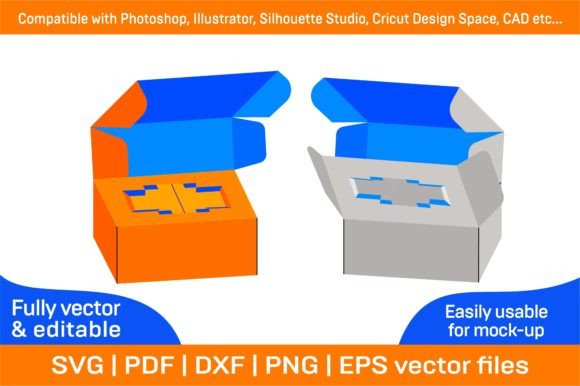
This design also boosts product value. A plain t-shirt is a commodity; a t-shirt with a professionally executed, structurally sound embroidery design is a statement piece. The ability to use this as a printable mockup for digital sales further amplifies its worth. You can showcase how the design looks on various products before you even cut the fabric, helping you gauge customer interest and refine your marketing materials.
Practical Designer Notes
Before you load this digital embroidery file into your machine, follow these essential steps:
- Test on Scrap Fabric: Always stitch a test version on the exact fabric type you plan to use. This reveals how the thread interacts with the weave and helps you adjust tension if necessary.
- Check Thread Color Contrast: The strength of this design lies in its lines. Ensure your thread color stands out against your fabric. Black thread on black fabric will disappear; white on white will vanish. Choose colors that pop.
- Review Stitch Density: Examine the fill and satin stitches in the design. If the density is too high for your chosen fabric, you risk puckering. Adjust the settings or simplify the design if needed.
- Confirm Hoop Size: Verify that the design dimensions fit comfortably within your standard hoops. Leaving adequate margin around the edges prevents clipping and ensures proper hooping stability.
- Inspect Small Details: Zoom in on the corners and any fine lines. If they appear too thin or fragile, consider simplifying them for better durability.
- Use Proper Stabilizer: The choice of stabilizer is critical. Cut-away stabilizers are generally recommended for garments that will be washed frequently, while tear-away might suffice for one-time use gifts.
- Check Licensing: Before selling finished items or offering this as a design asset, review the license terms. Commercial rights vary, and it is vital to protect your business.
Final Verdict
The Rigid Box Packaging Dieline Template and is a versatile tool for the modern embroiderer. It bridges the gap between graphic design and textile art, offering a sleek, professional look that appeals to a wide audience. Whether you are creating holiday embroidery gifts, updating your Etsy listings, or developing a new line of small shop products, this design adds a touch of sophistication that resonates with buyers. By testing thoroughly and applying it to the right substrates, you can turn this simple geometric concept into a powerful branding tool that drives engagement and builds customer loyalty. It is not just a design; it is a statement of quality.