Food Box, Lunch Box Dieline Template: Graphics and Print Templates Review
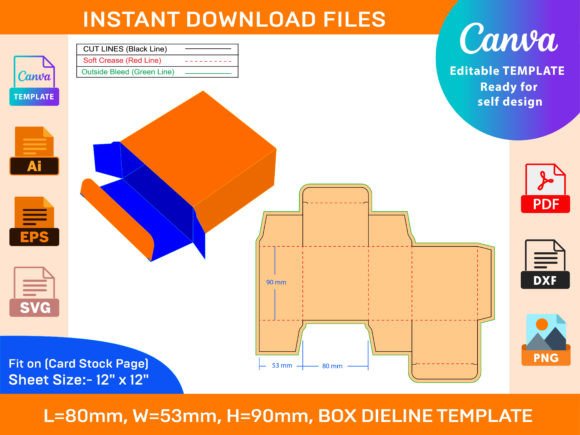
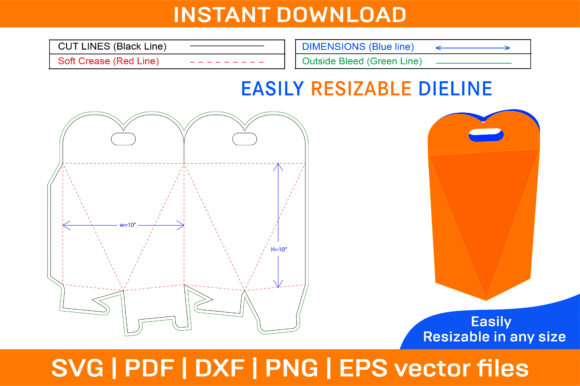
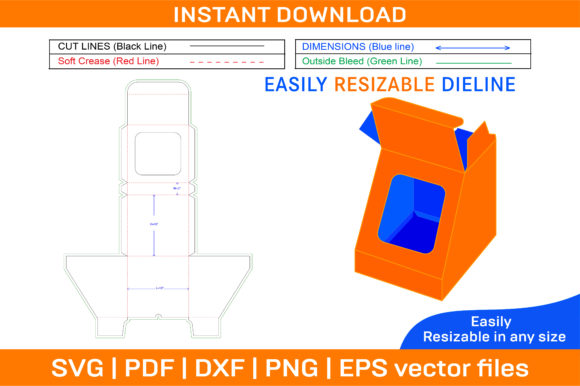
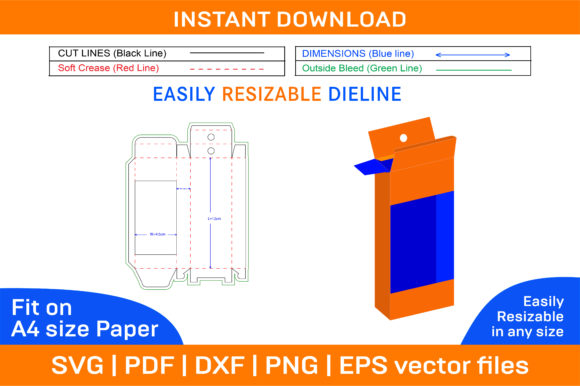
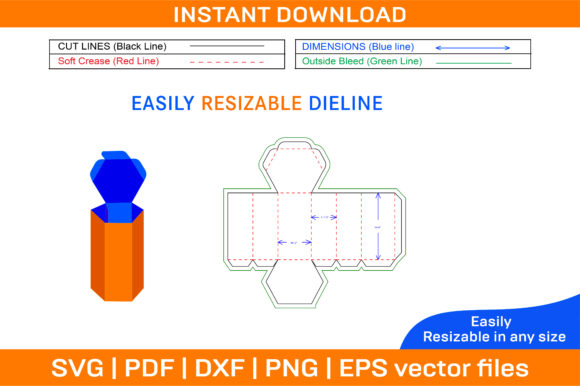
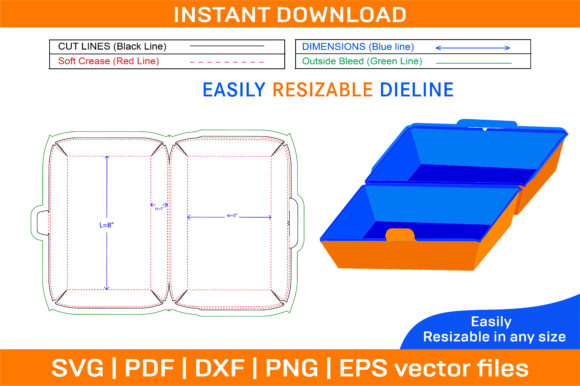
In the world of content marketing and brand design, first impressions are everything. As a brand designer who has spent years helping small businesses and creative entrepreneurs build their visual identities, I know that the difference between a cluttered, amateur-looking campaign and a polished, high-converting one often comes down to the quality of your foundational assets. Recently, I had the opportunity to review a versatile graphic design asset known as the Food Box, Lunch Box Dieline Template. This is not just a simple image; it is a comprehensive design bundle that includes a 3D box design, paper box mockups, folding box structures, foldable box layouts, and a printable box template. For marketers, bloggers, and product creators, understanding how this asset fits into a real-world workflow is crucial for creating professional branding that resonates with audiences.
The First Impression: Mood and Visual Tone
When you first open the ZIP archive containing SVG, PDF, EPS, DXF, AI, PNG files, the immediate takeaway is the structural integrity of the design. In my experience, many free or low-cost templates look flat or unrealistic when placed in marketing visuals. However, this Food Box, Lunch Box Dieline Template strikes a balance between casual approachability and premium presentation. It creates a mood that is warm, tangible, and inviting. This emotional tone is particularly effective for lifestyle content, handmade products, and food-related brands because it suggests quality and care in packaging.
For a brand owner launching a new snack line or a blogger promoting a seasonal recipe kit, this asset helps establish an immediate sense of trust. It feels suitable for commercial marketing materials, editorial graphics, and event promotions. The clean lines and realistic shadows allow the eye to focus on the product inside or the message on the box, rather than being distracted by poor rendering. This clarity is essential for maintaining visual consistency across various platforms, from Instagram posts to Pinterest pins.
Real-World Application: A Case Study in Branding
To understand the practical value of this asset, let’s imagine a real marketing project. Suppose you are a small business owner launching a subscription service for healthy meal kits. Your goal is to refresh your social media visuals and create a cohesive brand identity that stands out in a crowded digital marketplace. You need a hero graphic for your website header, engaging social media graphics for Instagram, and perhaps a printable design for a lead magnet that encourages email sign-ups.
This is where the Food Box, Lunch Box Dieline Template becomes invaluable. Instead of spending hours designing a custom box from scratch or struggling with inconsistent 3D renders, you can use this digital product to quickly generate high-quality visuals. You can place your logo or promotional text onto the folding box structure, ensuring that your brand identity remains consistent across all touchpoints. Whether you are designing packaging inserts, creating social media graphics, or preparing digital ads, this asset provides a reliable foundation that elevates the perceived value of your offerings.
Supporting Marketing Goals Through Visual Hierarchy
A strong design asset does more than just look good; it supports specific marketing goals. One of the primary benefits of using the Food Box, Lunch Box Dieline Template is its ability to enhance visual hierarchy. By providing a clear container for your message, it helps guide the viewer’s eye to the most important information, such as a call-to-action or a special offer. This leads to stronger recognition and improved audience trust, as consumers associate well-designed packaging with product quality.
Furthermore, this asset aids in better product presentation. When used in content marketing strategies, realistic box mockups help potential customers visualize the physical product, reducing uncertainty and increasing conversion rates. The versatility of the file formats—including vector files like SVG, AI, and EPS—allows you to scale the design without losing quality, making it perfect for everything from small mobile graphics to large-format posters. This flexibility ensures that your professional branding remains sharp and legible, regardless of where it appears.
Where the Asset Shines: Strategic Placement
While this asset is versatile, it works best in specific contexts. It is ideal for hero graphics, campaign headers, and product launch visuals where you want to make a bold statement. It also serves as an excellent base for branded templates, allowing you to create a library of reusable designs for your team. Use it for social media covers, packaging accents, and content bundles to maintain a unified aesthetic.
In the realm of editorial design, this template can add a tactile element to digital articles, bridging the gap between online content and physical experience. For web design, it can be used as a decorative brand element that adds depth and interest to landing pages. Additionally, if you are selling digital products, this template can inspire the creation of related printable designs or stickers, expanding your revenue streams while reinforcing your brand presence.
Limitations and Areas for Caution
No single asset is a silver bullet, and there are situations where the Food Box, Lunch Box Dieline Template should be used carefully. For formal corporate branding, the casual nature of a lunch box might feel too informal unless stylized appropriately. Similarly, in dense information layouts or text-heavy ads, the complexity of the box structure could compete with your main message, causing visual clutter. Be cautious when using it on low-contrast backgrounds, as the details may get lost. Also, for overly minimal brands, the detailed rendering might feel out of place. Always ensure that the asset supports, rather than distracts from, your core communication goals.
Practical Notes for Designers and Marketers
To get the most out of this creative design, I recommend several practical steps. First, test it with your brand color palette to ensure harmony. Check how it looks in black and white to verify that the form holds up without color assistance. Place it inside real campaign mockups to see how it interacts with other elements. Preview it on mobile screens, as this is where most of your audience will engage with your content. Test readability in small sizes to ensure your text remains legible.
Additionally, compare it against competitor visuals to differentiate your brand. Experiment with typography by pairing the box with serif fonts for a classic look, sans serif fonts for modernity, script fonts for elegance, handwritten fonts for a personal touch, or display fonts for impact. Review spacing and balance meticulously. Finally, confirm your commercial licensing before using it in paid campaigns, client work, or business branding to avoid legal issues. By following these guidelines, you can leverage the Food Box, Lunch Box Dieline Template to create compelling, professional, and effective marketing visuals that drive results.