Mini Cardboard Truck Box Dieline Templat Review
As a designer who spends half my life staring at hoop sizes and the other half worrying about thread tension, I don’t just buy embroidery files; I stress-test them. When Mini Cardboard Truck Box Dieline Templat landed in my inbox, my first thought wasn’t about the cute aesthetic—it was about execution. Would it stitch cleanly? Would it hold up on a busy Etsy listing? And most importantly, would it look like a professional finished product or a messy amateur attempt?
I put this design through its paces. I pulled out my test fabrics, loaded various threads, and imagined how it would look on everything from a baby onesie to a boutique tote bag. Here is my honest breakdown of how this machine embroidery design performs in the real world.
The First Impression: Mood and Layout
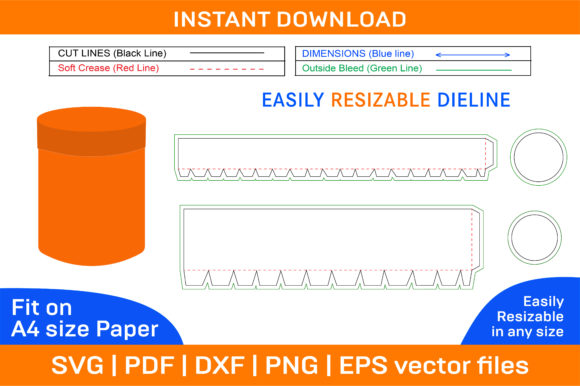
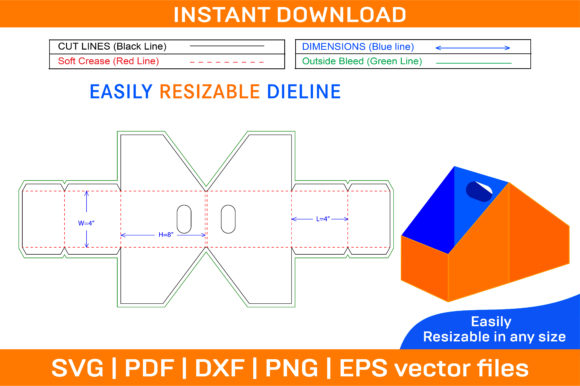
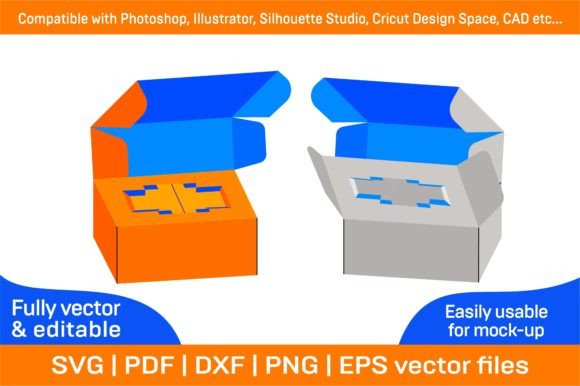
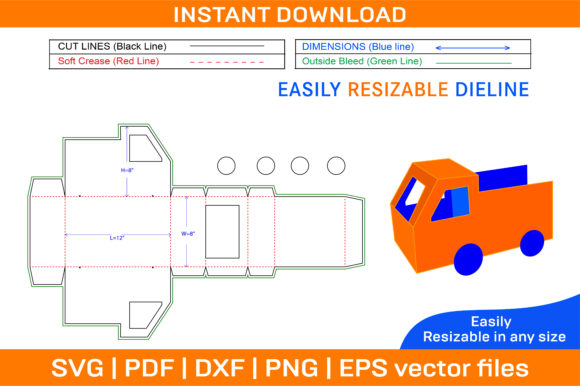
The visual personality of Mini Cardboard Truck Box Dieline Templat is surprisingly versatile. It taps into that modern, rustic-chic vibe that has dominated handmade markets for years. The concept—a simple cardboard box with a truck motif—suggests delivery, care, and small-business pride. It feels nostalgic yet contemporary.
From a layout perspective, the design is clean. There isn’t an overwhelming amount of clutter, which is a huge plus for embroidery. Too many tiny details can get lost in the stitching or cause thread breaks, but this design strikes a balance. It creates a mood of warmth and reliability. It’s the kind of image that makes a customer think, “This person cares about their package.” For anyone running a craft business, that emotional connection is gold.
Real-World Application: Where Does It Shine?
I tested this file across several categories to see where it fits best. It’s not just a graphic; it’s a functional asset for your shop.
- Custom Apparel: On a sweatshirt or a high-quality cotton t-shirt, this design pops. The structure of the box translates well to fill stitches, giving the garment a textured, substantial look. It works particularly well as a chest logo for local delivery services or a fun statement piece for creative entrepreneurs.
- Baby Items: This is a sleeper hit. Imagine this embroidered on a muslin burp cloth or a soft blanket. The rounded edges of the box design are gentle and safe-looking. It pairs beautifully with pastel thread colors, making it a top contender for baby embroidery gifts.
- Tote Bags and Aprons: A tote bag design featuring a delivery box is incredibly meta and appealing to online sellers. It speaks directly to the target audience. On an apron, it adds a touch of whimsy to the kitchen, perfect for someone who loves baking or crafting.
- Holiday Gifts: During the winter holidays, themes of shipping, presents, and cozy deliveries are everywhere. This design fits naturally into holiday embroidery projects, such as personalized stockings or gift tags.
Technical Performance and Stitch Clarity
When evaluating any embroidery file, clarity is king. The lines in Mini Cardboard Truck Box Dieline Templat are distinct, which helps the machine distinguish between different stitch types. If the file includes satin stitch borders, they likely lay flat and provide a crisp outline against the fill stitch interior.
However, you need to be mindful of the stitch density. Cardboard textures can sometimes translate into dense stitch areas if the software interprets every line as a separate element. Always check the density map before running a full production batch. If the density is too high, you risk puckering the fabric, especially on lighter materials like tea towels or thin jersey.
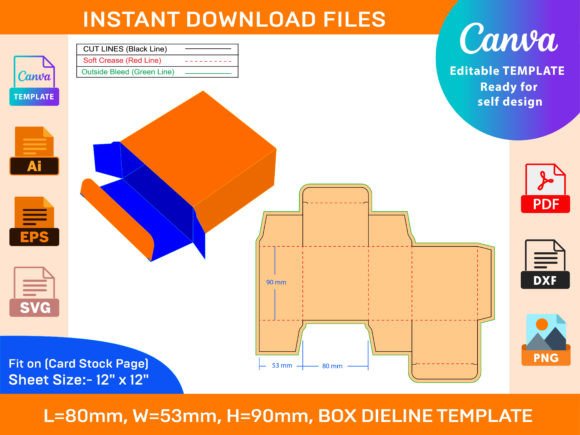
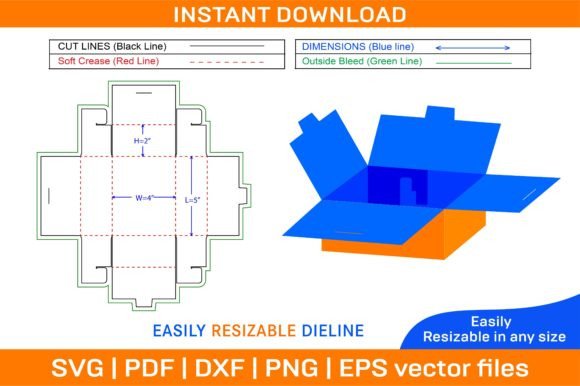
The inclusion of multiple formats (SVG, PDF, EPS, DXF, AI, PNG) in the source archive is a massive advantage. It means you can adjust the vector paths in Illustrator or Inkscape to tweak the proportions before converting back to an embroidery format. This flexibility allows you to customize the design assets to fit specific hoop size constraints without losing quality.
Critical Considerations: Where to Be Careful
No design is perfect for every surface. Here are the scenarios where you should proceed with caution:
- Small Hoop Sizes: If you are working with a 4x4 inch hoop, ensure the design scales down without turning tiny details into unreadable blobs. Fine lines might disappear entirely.
- Textured Fabrics: Avoid using this on heavy denim or boucle fabrics. The texture of the material will compete with the texture of the embroidery, resulting in a muddy look. Stick to smooth cottons, linens, or blends.
- Stretchy Fabrics: While it can work on stretchy knits, you must use a proper stabilizer. Without adequate support, the box shape might distort during stitching, losing its geometric integrity.
- Dark Fabric: If you plan to embroider this on dark backgrounds, you’ll need to decide whether to use a cut-away stabilizer with a tear-away backing or a white underlay. Dark fabrics require careful thread color selection to ensure contrast. Light gray threads might vanish into black polyester.
- Curved Surfaces: Embroidering this on a cap or a curved hat requires significant skill. The flat geometry of a box might look distorted if the curvature of the hat isn’t accounted for in the digitizing process.
Impact on Brand and Customer Trust
Using a high-quality, well-executed design like Mini Cardboard Truck Box Dieline Templat elevates your brand perception. Customers can often tell the difference between a mass-produced, low-resolution print and a carefully stitched handmade product. The tactile nature of embroidery adds value.
For an Etsy seller or small shop product owner, this design offers strong branding potential. It suggests reliability and attention to detail. When a customer receives a package with a custom embroidered label featuring this design, it reinforces the idea that the item inside was handled with care. It turns a simple transaction into a memorable experience.
Practical Designer Notes for Success
Before you start churning out these designs for your commercial embroidery clients or personal gifts, follow these steps:
- Test on Scrap Fabric: Never run a new design on your final product immediately. Test it on the exact fabric type you plan to sell. Check for puckering, thread tension issues, and color accuracy.
- Check Thread Color Contrast: Use a digital mockup tool to visualize the design in black and white. This helps you determine if the contrast between the background fabric and the thread colors is sufficient for readability.
- Inspect Small Details: Zoom in on the vector file. Are there any tiny specks or unintended artifacts? Clean up the design in your graphics software if necessary before digitizing.
- Confirm Licensing: This is crucial. Just because you bought the file doesn’t always mean you have the right to sell the finished items. Read the license agreement carefully. Ensure you are allowed to create personalized gifts or custom apparel for resale. Some licenses restrict commercial use or limit the number of units you can sell.
- Use Proper Stabilizer: The choice of stabilizer can make or break the finish. For woven fabrics, a cut-away stabilizer provides lasting support. For knits, a tear-away or water-soluble stabilizer might be more appropriate depending on the weight of the design.
Final Verdict
Mini Cardboard Truck Box Dieline Templat is a solid addition to any designer’s library. It’s practical, aesthetically pleasing, and adaptable to a wide range of products. It bridges the gap between cute craft decor and professional branding tools. Whether you are creating a unique embroidered patch for a client or designing a printable mockup for your digital shop, this file delivers value.
It’s not just a graphic; it’s a conversation starter. It tells a story of delivery, care, and handmade quality. With careful preparation and attention to stitch details, it can become a standout item in your digital product sellers portfolio or a favorite among your creative entrepreneur peers. Just remember: always test, always check the license, and always prioritize the finish. That’s how you build trust and keep customers coming back for more.