Cake Box with Window Dieline Template: A Designer’s Review for Graphics and Print Templates
When a client approaches me with a request to launch a boutique bakery brand, the conversation rarely starts with logos or color palettes. It almost always begins with packaging. In the world of small business branding, especially in the food and confectionery sector, the box is often the first physical touchpoint a customer has with your product. This is why I treat every design asset as a critical component of the broader brand identity. Recently, I evaluated the Cake Box with Window Dieline Template to determine if it could serve as a viable foundation for a real-world client project involving a handmade cupcake line. Below is my professional assessment of how this template performs in actual design workflows.
First Impressions and Visual Mood
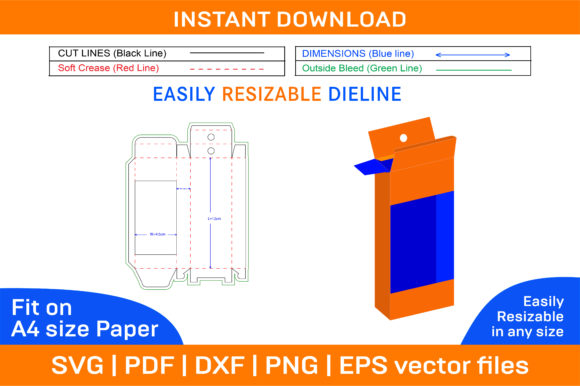
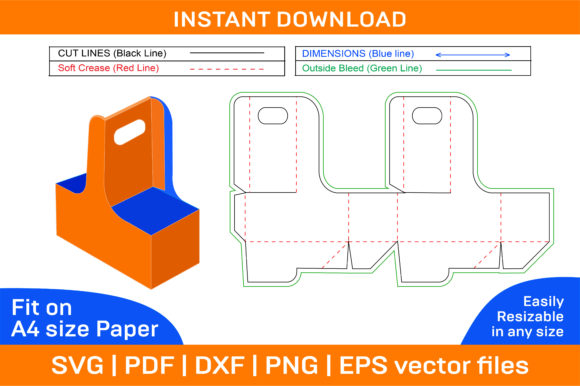
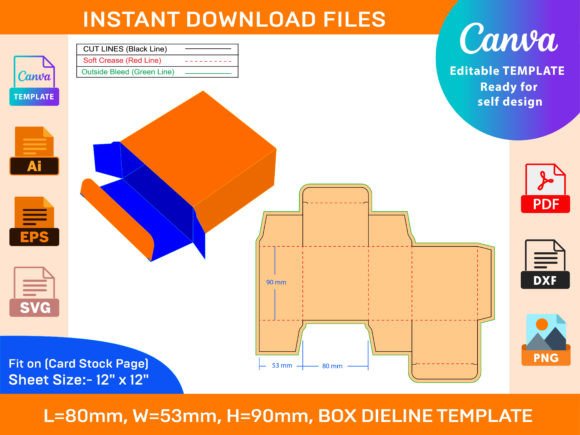
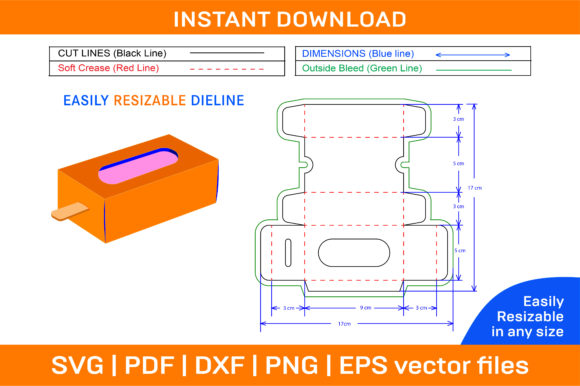
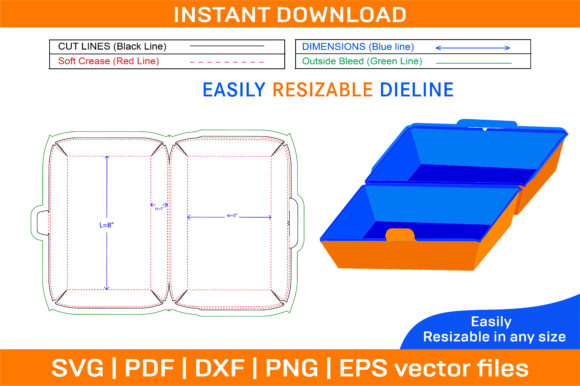
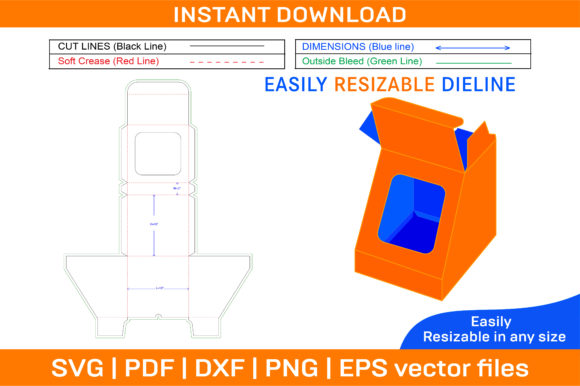
The immediate appeal of the Cake Box with Window Dieline Template lies in its structural clarity and aesthetic versatility. Unlike generic clipart that feels flat or disconnected from reality, this asset simulates a tangible object—a paper box, folding box, or foldable box—that designers can immediately visualize on a shelf or in a social media feed. The inclusion of a window element adds a layer of transparency that suggests freshness and quality, which is psychologically appealing to consumers looking for artisanal goods.
From a modern design perspective, the template strikes a balance between rustic charm and professional polish. It does not scream "cheap print," nor does it feel overly corporate. Instead, it offers a clean canvas that supports handmade business aesthetics while remaining adaptable enough for more contemporary, minimalist brands. For a client launching an Etsy product line or a local bakery, this visual mood aligns perfectly with the expectation of authenticity and care in craftsmanship.
Practical Application in Real Client Projects
In my experience, the value of a graphic design asset is measured by its flexibility across various mediums. Here is how the Cake Box with Window Dieline Template integrates into different stages of a creative design process:
- Packaging Design and Brand Identity: The primary use case is obvious—packaging. However, the true power of this template emerges when you consider it as part of a larger brand identity. By applying the client’s logo, typography, and color palette to the dieline, you create a cohesive unboxing experience. This is crucial for marketing visuals that need to stand out on platforms like Instagram or Pinterest.
- Digital Mockups and Social Media Graphics: Because the template includes 3D box design capabilities (often facilitated by the included files), you can generate high-quality mockups without needing to photograph physical prototypes. This saves significant time and budget for clients who are still in the concept phase. These mockups serve as excellent social media graphics for pre-launch campaigns.
- Print-on-Demand and Digital Products: For sellers creating print-on-demand items or digital planners, this template provides a realistic representation of the final product. It helps customers visualize what they are buying, which reduces return rates and increases conversion. As a digital product, it can also be sold as a resource for other designers or crafters.
Where the Asset Shines
This design asset works best in scenarios where visual hierarchy needs to be supported by strong graphical elements. It excels in:
- Large Layout Areas: When used as a hero graphic on a landing page or a large poster, the detailed structure of the box draws the eye and anchors the composition.
- Product Mockups: The ability to place custom artwork onto the box allows for precise control over how the branding appears in three-dimensional space.
- Themed Collections: If a client is releasing seasonal products (e.g., holiday cupcakes), this template can be easily rebranded to match specific themes, maintaining consistency across a design bundle.
- Editorial Design: For food blogs or magazines featuring recipes, this asset can serve as a decorative accent that adds depth to the page layout.
Areas Requiring Careful Consideration
No asset is universally perfect, and there are contexts where the Cake Box with Window Dieline Template should be used with caution. Designers must be mindful of:
- Small Sizes: At very small resolutions, such as favicon size or tiny thumbnail images, the intricate details of the window and box folds may become muddy. Always test the asset at the smallest intended display size.
- Crowded Layouts: If the surrounding design is already visually heavy with text or competing graphics, adding a complex box illustration can clutter the message. In such cases, simplify the background or reduce the opacity of the asset.
- Minimalist Branding: While the template is versatile, highly minimalist brands that rely on negative space and stark simplicity might find the detailed nature of the box distracting. In these cases, consider using only the outline or a simplified vector version if available.
- Low-Contrast Designs: Ensure there is sufficient contrast between the box illustration and the background. Low-contrast combinations can make the box disappear, defeating the purpose of using it as a focal point.
Technical Specifications and File Formats
One of the strongest selling points of this product is the comprehensive file package. The ZIP archive contains SVG, PDF, EPS, DXF, AI, and PNG files. This variety is essential for professional workflow integration:
- Vector Files (SVG, EPS, AI): These formats allow for infinite scalability without loss of quality. They are ideal for logo design integration, large-format printing, and editing individual elements of the box structure. The SVG format is particularly useful for web design and interactive elements.
- Raster Files (PNG): The inclusion of PNG files with transparency is a huge plus. It allows designers to drop the box directly into Photoshop or Canva templates without worrying about white backgrounds. Check the resolution to ensure it meets print standards (typically 300 DPI).
- PDF and DXF: These formats are valuable for cutting machines (like Cricut or Silhouette) if the client wants to produce physical samples manually, or for vector-based layouts in Illustrator.
Professional Designer Notes for Implementation
Before committing to this asset for a commercial project, I recommend the following checks:
- Test in Black and White: Convert the design to grayscale to evaluate the visual hierarchy. If the box loses its form or impact without color, the line weight and structure may need adjustment.
- Check Contrast on Light and Dark Backgrounds: Verify how the asset behaves against both light and dark surfaces. Some designs require a stroke or shadow effect to pop against dark backgrounds.
- Preview at Multiple Sizes: Look at the asset on a mobile screen and a printed flyer. Details that look good on a desktop monitor may vanish on a business card.
- Review Font Pairings: Experiment with different font styles to see what complements the box. A script font might enhance the handmade feel, while a sans serif font could modernize the look. Avoid pairing it with overly ornate display fonts that compete for attention.
- Confirm Commercial Licensing: Always read the license agreement. Ensure you have the right to use the asset for client work, merchandise, and resale. Commercial license terms vary widely, and violating them can lead to legal issues.
- Inspect Transparency and Edges: If using the PNG version, zoom in to check for jagged edges or halo artifacts around the window cutout. Clean edges are non-negotiable for professional results.
Final Verdict
The Cake Box with Window Dieline Template is a robust, multi-format resource that bridges the gap between conceptual design and tangible product presentation. It is not merely a clipart image but a functional tool for packaging design and marketing visuals. For designers working with small business owners, bakers, or content creators, this asset offers significant efficiency gains and elevated visual quality.
While it requires careful handling in minimalist or crowded contexts, its versatility across vector and raster formats makes it a valuable addition to any designer’s library. When used thoughtfully, it enhances brand consistency, builds visual trust, and creates a memorable impression for end consumers. I would confidently recommend this template for projects ranging from sticker design and t-shirt design to full-scale product mockup presentations.