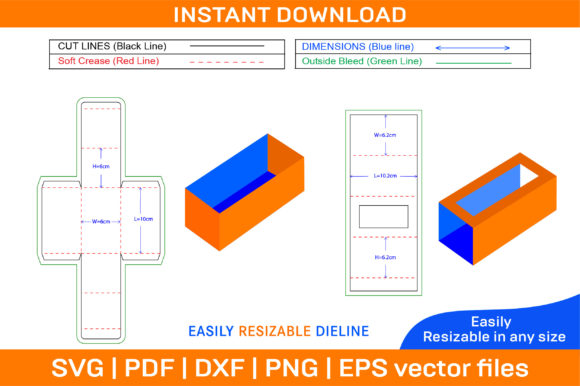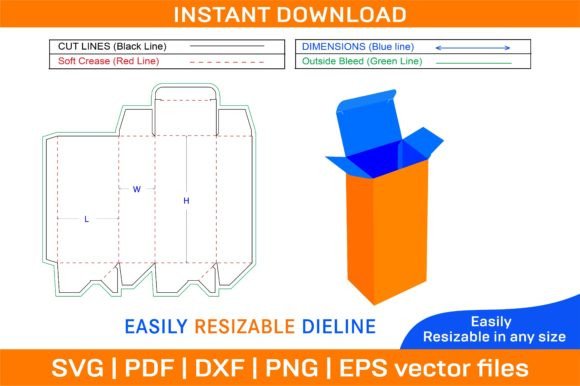
Auto Bottom Closer Gift Box Die Cut Temp
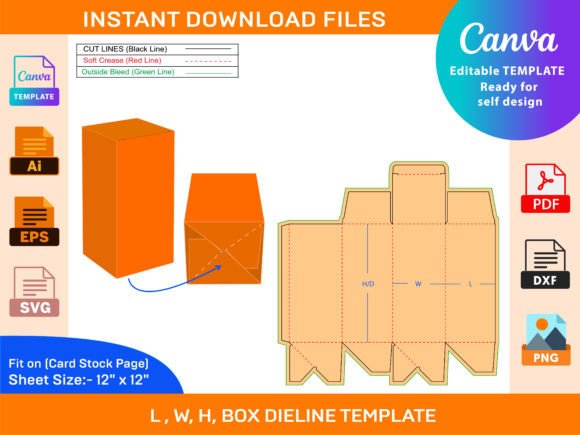
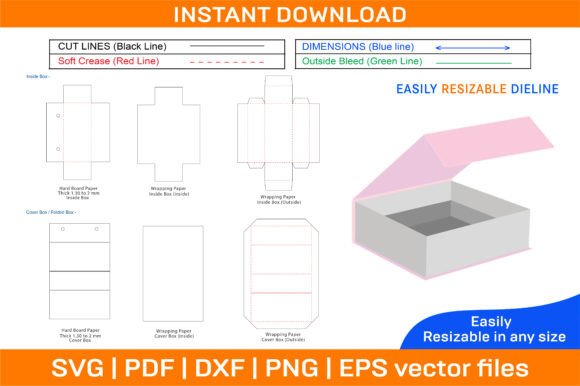
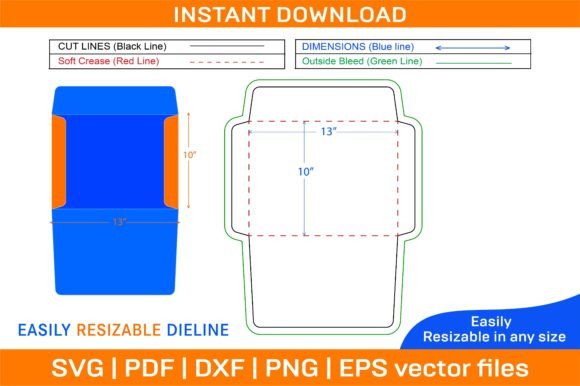
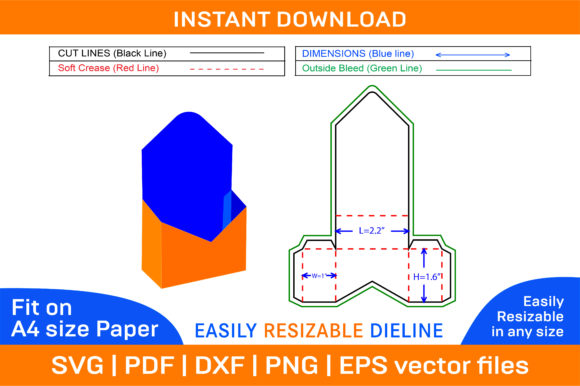
As a designer who spends more time looking at stitch density and fabric grain than I do at actual boxes, I approach every new machine embroidery design with a healthy dose of skepticism. We are often sold on the promise of a perfect finished product, only to find that intricate details turn into muddy blobs after three washes. Recently, I pulled up the Auto Bottom Closer Gift Box Die Cut Temp to see if it had the legs to survive in a real-world craft business or personal project. This isn't just another generic graphic; it is a specialized Graphics asset categorized under Print Templates, but its application reaches far beyond flat paper.
The First Impression: Clean Lines and Structural Clarity
When you first load the file, what strikes me is the geometric precision. The Auto Bottom Closer Gift Box Die Cut Temp mimics the structural integrity of a high-end retail package. It has a distinct "unboxing" aesthetic that feels modern, clean, and surprisingly sophisticated for an embroidery motif. Unlike organic floral designs or chaotic patterns, this shape relies on strong verticals and horizontals. For an embroiderer, this is both a blessing and a challenge.
The mood it creates is one of organized luxury. It suggests that whatever is inside—or whoever is wearing it—is worth careful presentation. Visually, the design personality is professional yet playful. It doesn’t scream for attention like a neon graphic; instead, it whispers quality. This makes it incredibly versatile. It fits naturally into boutique branding, corporate gifting, and high-end handmade products where presentation is half the battle.
Real-World Application: From Tote Bags to Baby Items
I recently tested this concept by imagining a custom order for a local boutique owner who wanted branded packaging inserts for her holiday collection. While the template is technically a box die-cut, its silhouette translates beautifully to apparel and accessories. Here is how I see this embroidery file performing in specific scenarios:
- Tote Bag Design: Placing this box outline on a canvas tote bag is a smart move. It looks like a stylized shopping bag icon, which reinforces the idea of carrying something precious. When stitched in a contrasting thread color against natural cotton, it pops without overwhelming the garment.
- Baby Embroidery: There is a surprising charm in stitching a "gift box" onto a baby onesie or burp cloth. It plays into the theme of the baby being the gift itself. Because the lines are simple, it works well as a central motif on small hoops, keeping the look cute rather than cluttered.
- Sweatshirt Embroidery: For a cozy, oversized sweatshirt, this design adds a touch of streetwear flair. It breaks up large areas of negative space effectively. If you use a mix of satin and fill stitches, the texture of the box can mimic the wrapping paper or tape of a real present.
- Embroidered Patch: This is perhaps the strongest use case. The box shape is self-contained, making it ideal for creating iron-on patches. You can add text inside the box or around it to create custom labels for your own handmade products.
For Etsy sellers and small shop owners, this design offers a unique selling proposition. It bridges the gap between digital assets and physical goods. You aren't just selling a shirt; you are selling the *idea* of gifting. This psychological hook increases perceived value and customer trust.
Technical Considerations: Where to Be Careful
However, not every surface is created equal. As someone who has ruined good fabric by ignoring stitch density, I need to highlight where this design requires caution. The Auto Bottom Closer Gift Box Die Cut Temp relies on crisp edges. If you are working with textured fabrics like heavy waffle knit or loose-weave linen, the needle may struggle to maintain those straight lines, resulting in a wobbly, amateurish look.
Here are the specific areas where you should exercise restraint:
- Small Hoop Sizes: If you attempt to shrink this down too much, you risk losing the definition of the "box" structure. Tiny lettering or fine decorative accents within the box will disappear into the thread clumps. Stick to medium to large hoops for clarity.
- Stretchy Fabrics: Jersey knits and stretchy activewear require significant stabilization. Without proper tear-away or cut-away stabilizer, the tension of the box outline can pucker the fabric, distorting the geometry.
- Curved Surfaces: While caps and hats are popular canvases, a rigid box shape can look awkward on a curved brim. It might be better suited for the flat front panel of a cap rather than the side curvature.
- Dense Stitch Areas: If the design uses heavy fill stitches to represent the box body, ensure your machine can handle the thickness. On dark fabric, dense black or navy threads can become invisible or feel stiff against the skin.
Visual Appeal and Brand Consistency
One of the most underrated aspects of a good digital embroidery file is its ability to maintain brand consistency across different mediums. The Auto Bottom Closer Gift Box Die Cut Temp is highly recognizable. Even when simplified, the eye instantly identifies it as a package or container. This recognition factor is powerful for commercial embroidery projects.
When used correctly, it elevates the finished product. A plain white tea towel becomes a "gift-ready" kitchen item. A basic apron becomes a chef's uniform for a special occasion. The design adds a layer of intentionality to the object. For creative entrepreneurs, this means you can charge a premium because the design communicates care and detail before the customer even touches the item.
Thread colors play a huge role here. I recommend testing this in black and white mockups first. Does the contrast hold up? If you plan to use multiple thread colors to simulate tape or ribbons, ensure they don't clash. A monochromatic approach often yields the most professional result, allowing the stitch texture to provide the visual interest.
Practical Designer Notes for Success
Before you hit the start button on your machine, follow these steps to ensure your embroidery project goes smoothly:
- Test on Scrap Fabric: Always run a test stitch-out. Check how the stabilizer interacts with your specific fabric weight. Thin fabrics may need water-soluble backing to prevent show-through.
- Review Stitch Density: Look closely at the corners. Are they sharp? If the design calls for a satin stitch border, ensure the density isn't so high that it creates a hard, plastic-like ridge that could scratch the wearer.
- Inspect Small Details: Zoom in on the digital preview. If there are tiny elements meant to look like tape strips or labels, verify they are large enough to be stitched clearly. If they are too small, consider simplifying the design digitally before exporting.
- Confirm Licensing: Since this falls under Print Templates and Graphics, check the license terms carefully. Are you allowed to sell finished embroidered items? Can you use this in a commercial logo? Never assume commercial rights unless explicitly stated.
- Compare Backgrounds: Test the design on both light and dark backgrounds. A box outline that looks elegant on white might get lost on gray. Adjust your thread choice accordingly to maintain visibility.
In conclusion, the Auto Bottom Closer Gift Box Die Cut Temp is a solid addition to any designer’s library. It is not just a novelty; it is a functional, aesthetically pleasing shape that speaks to the universal love of receiving gifts. By understanding its strengths and respecting its technical limitations, you can transform simple materials into memorable, high-value handmade products. Whether you are decorating a single baby blanket or producing a batch of branded tote bags for a trade show, this design offers the clarity and professionalism needed to succeed.