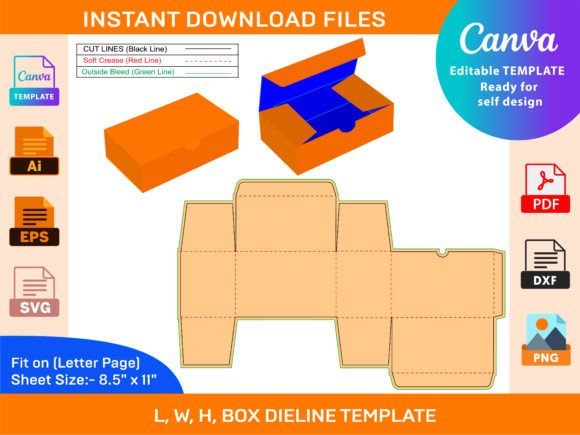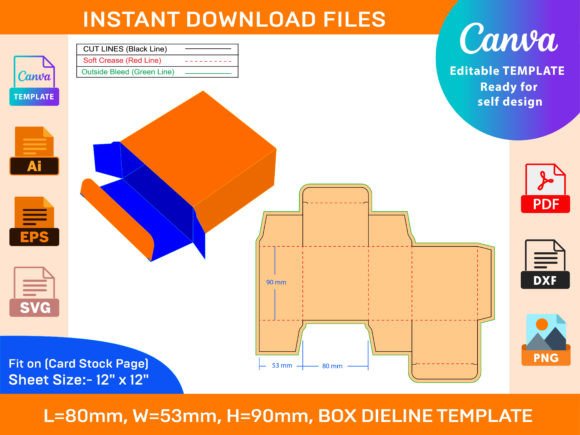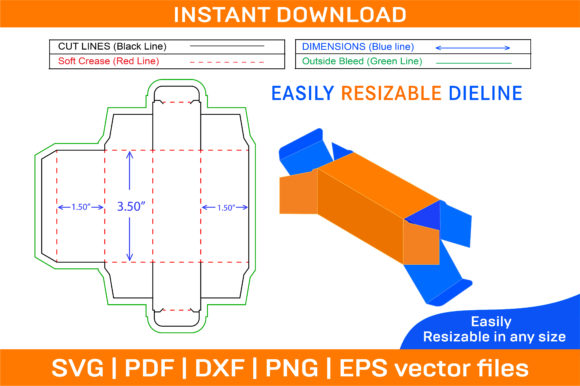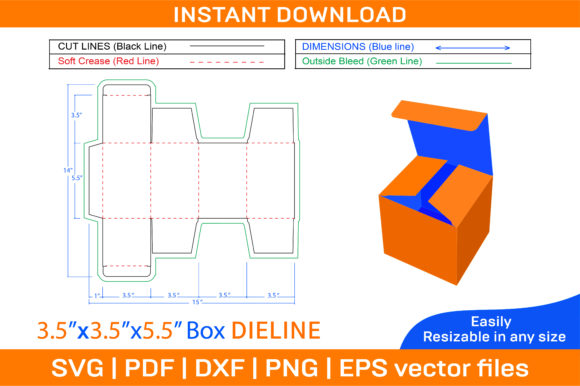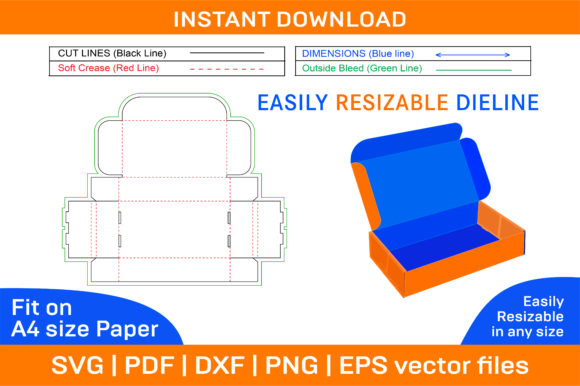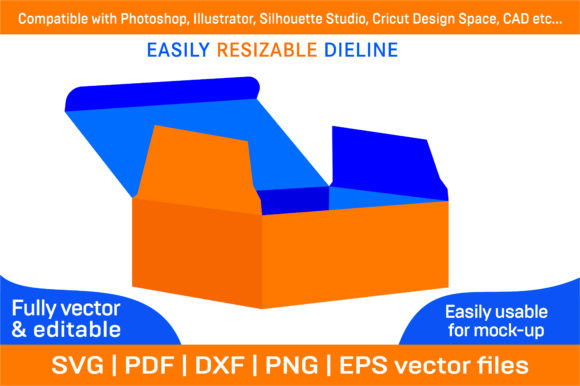
Toy Box, Straight Tuck End Box Dieline Graphics and Print Templates
As a brand designer who has spent years helping local businesses transition from garage projects to shelf-ready products, I look at every design asset with a critical eye. It is not just about aesthetics; it is about function, scalability, and the emotional connection a customer feels when they pick up your product. Recently, I evaluated the Toy Box, Straight Tuck End Box Dieline for a potential client project involving a boutique line of handmade wooden toys. This review breaks down how this specific graphic design asset fits into real-world small business branding, packaging design, and promotional materials.
The First Impression: Mood and Brand Personality
When you first open the ZIP archive containing the SVG, PDF, EPS, DXF, AI, and PNG files, the immediate question is: what story does this box tell? The Toy Box, Straight Tuck End Box Dieline exudes a sense of playful nostalgia mixed with modern cleanliness. It suggests a brand personality that is friendly, approachable, and trustworthy. For a local business owner selling children’s products, organic skincare, or artisanal treats, this mood is invaluable.
The straight tuck end style is a classic in the industry because it offers a clean, rectangular face that serves as a perfect canvas for logo design and product information. Unlike complex folding structures that can distract from the message, this dieline provides a stable visual hierarchy. It feels premium yet accessible, avoiding the overly ornate look that might alienate a modern consumer, while still offering enough decorative space to stand out on a crowded retail shelf. It bridges the gap between rustic charm and professional polish, making it suitable for everything from a family-owned bakery to a trendy candle brand.
Real-World Application: From Dieline to Brand Identity
In my recent evaluation, I imagined using this asset for a local florist launching a subscription service. The challenge was creating a cohesive brand identity across multiple touchpoints. The Toy Box, Straight Tuck End Box Dieline proved to be more than just a container; it became a central element of the marketing visuals.
Here is how this graphic design asset supports various aspects of small business branding:
- Packaging Design: The primary use case is obvious. The included 3D box design allows you to visualize exactly how your product will look when folded. This is crucial for ensuring that your artwork aligns with the structural seams and flaps. A well-designed paper box elevates the perceived value of the product inside.
- Product Labels and Hang Tags: You can extract vector elements from the SVG or AI files to create matching hang tags or thank-you cards. Consistency here builds stronger emotional connection with customers. When the unboxing experience matches the social media graphics, trust increases.
- Social Media Graphics: Use the PNG design files to create product mockups for Instagram or Pinterest. These digital products allow you to showcase your packaging before you even print a single unit. This is essential for pre-launch campaigns and building hype among your local following.
- Promotional Ads and Flyers: The illustration can serve as a hero graphic in your marketing visuals. Whether you are designing a flyer for a local craft fair or a web design banner for your e-commerce site, the toy box motif draws the eye immediately.
Strategic Placement and Visual Hierarchy
Not every design asset fits every layout. Understanding where the Toy Box, Straight Tuck End Box Dieline works best is key to maintaining a professional branding standard.
This asset shines when used as a product label accent or a decorative brand element on the side panels of packaging. It works beautifully as a background texture for printable inserts that include care instructions or a personal note from the maker. For seasonal campaign visuals, such as holiday gift sets, the playful nature of the toy box theme can be adapted with festive colors to create limited-edition appeal.
However, caution is required in certain scenarios. If you are designing for a formal corporate branding environment, this asset may feel too casual. Similarly, avoid placing intricate details of the dieline over ingredient-heavy layouts or legal information areas. The visual noise can compete with important text, breaking the clear visual hierarchy that customers need to read quickly. On very small labels, the detail may become illegible when printed at low resolution. Always test the asset at actual size to ensure clarity.
Practical Designer Notes for Implementation
To get the most out of this print template, I recommend following these practical steps during your design process:
- Test on Real Mockups: Do not rely solely on the digital preview. Print a physical copy of the dieline, cut it out, and fold it. This helps you understand how the final product feels in hand and whether the dimensions suit your specific product.
- Check Black and White Usage: Preview the design in grayscale. Sometimes, colors that look vibrant on screen lose their impact in print. Ensure the contrast remains strong enough for readability without relying on color alone.
- Font Pairing: Experiment with different typography styles alongside the toy box illustration. Try pairing it with a bold sans serif font for a modern design look, or a handwritten font for a more personal, handmade business vibe. Avoid script fonts that might clash with the geometric nature of the straight tuck end structure.
- Vector Editability: Since the package includes SVG, EPS, and AI files, take advantage of vector editability. You can resize the toy box graphic without losing quality, allowing you to adapt it for both large posters and tiny stickers. Inspect the layers to see if you can isolate specific elements for custom branding.
- Transparency Check: Review the PNG transparency carefully. Ensure that any background removal is clean, especially if you plan to overlay the box design onto photos of your actual products for website banners or catalog images.
Commercial Licensing and Final Thoughts
Before integrating the Toy Box, Straight Tuck End Box Dieline into your commercial design workflow, confirm the commercial license terms. As a brand designer, I always verify that assets purchased from creative marketplaces allow for physical product sales. Using a design asset for client work or your own business branding requires peace of mind regarding intellectual property rights.
Ultimately, this graphic design asset is a versatile tool for any creative entrepreneur looking to elevate their product presentation. Whether you are a food business owner creating edible gift boxes, a boutique store owner designing cosmetic packaging, or a marketer crafting a seasonal campaign, the Toy Box, Straight Tuck End Box Dieline offers a solid foundation. It supports better product recognition and improved customer trust by providing a polished, professional look that resonates with today’s consumers.
By treating your packaging as an integral part of your brand identity rather than an afterthought, you create a memorable experience that encourages repeat business. This dieline template simplifies that process, giving you the technical precision needed for print while leaving ample room for your unique creative vision. Evaluate it against your competitor packaging, test it with your brand colors, and watch as your local business gains a competitive edge through superior visual communication.