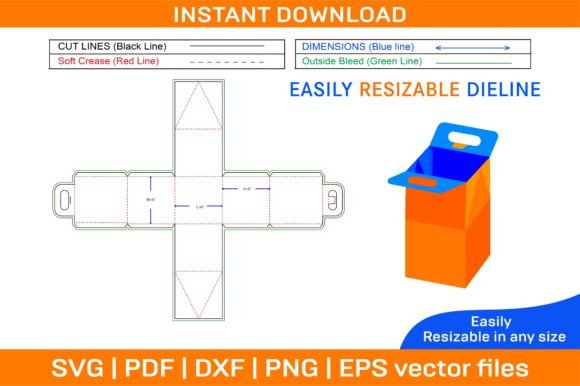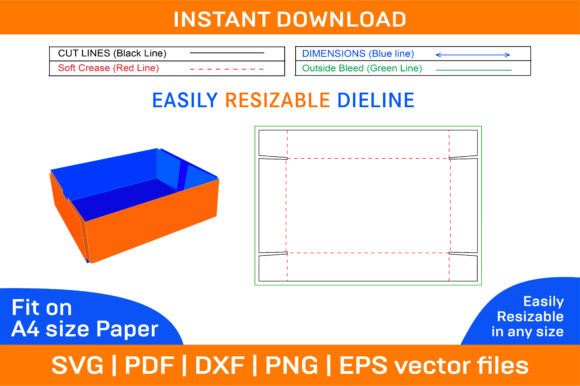
Reviewing Tray Corrugated Box, Glued Type Standard
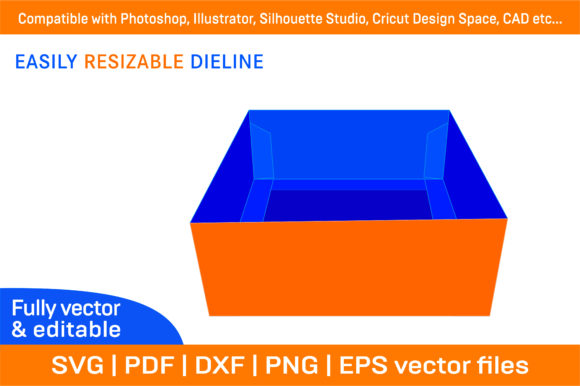
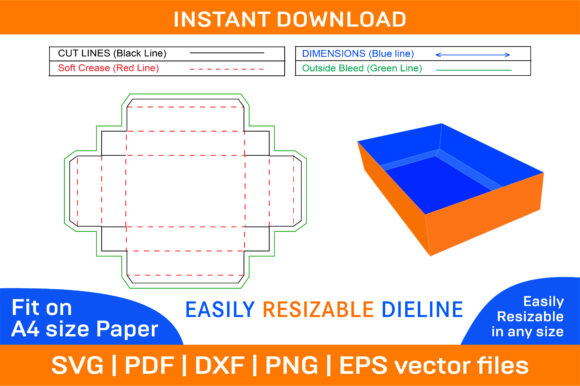
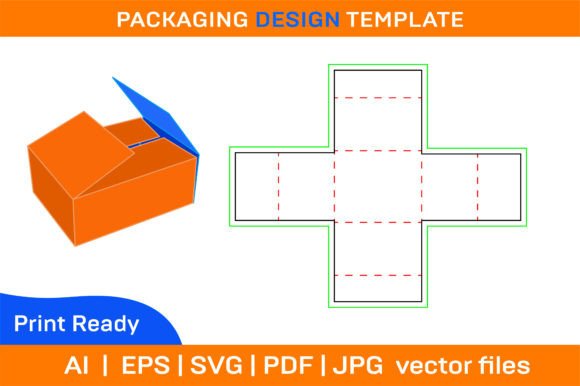
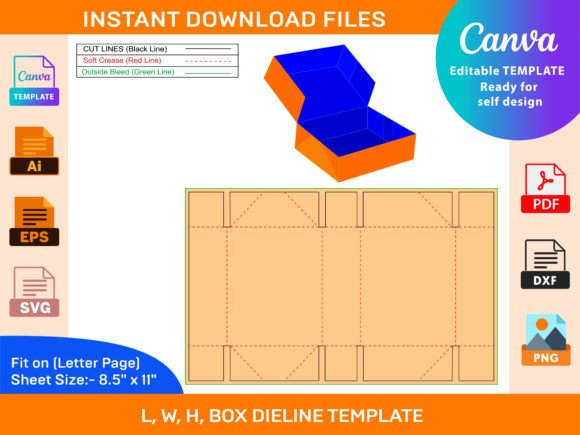
When I sit down to evaluate a new machine embroidery design, I am rarely looking for just another pretty picture. As someone who has spent years turning digital files into tangible, sellable goods for clients and craft fair customers, my primary question is always practical: does this design hold up in the real world? Does it translate well from screen to fabric? Today, I am putting that lens on the Tray Corrugated Box, Glued Type Standard. At first glance, the title might suggest something purely industrial or structural, but when you look at the actual graphic assets included in the package—SVG, PDF, EPS, DXF, AI, and PNG—you begin to see where this fits into the broader ecosystem of Print Templates and Graphics.
This review isn't about the cardboard box itself; it is about how this specific geometric, structural aesthetic translates when digitized for embroidery. Whether you are an Etsy seller looking to expand your home decor line or a small business owner crafting personalized gifts, understanding the visual weight and stitch behavior of this design is crucial before you hit the start button.
The First Impression: Structural Minimalism
The Tray Corrugated Box, Glued Type Standard brings a distinct mood to the hoop. It is not whimsical, floral, or overly ornate. Instead, it offers a clean, architectural vibe. The lines are sharp, the geometry is precise, and the overall personality feels modern and utilitarian. For designers who specialize in minimalist aesthetics or boutique branding, this is a breath of fresh air. It avoids the clutter that often plagues busy embroidery project files, allowing the quality of the stitching to take center stage.
Visually, the design relies on strong outlines and defined shapes. This makes it an excellent candidate for various stitch types. You can use a crisp satin stitch to define the edges of the box structure, giving it a raised, tactile feel that mimics the actual corrugation of the material. Alternatively, using a dense fill stitch for the main body creates a solid block of color that contrasts beautifully with open negative space. The layout is balanced, which means it will look professional whether placed on the chest of a sweatshirt or centered on a kitchen towel.
Real-World Application: From Digital Asset to Finished Product
Let’s imagine a specific scenario. You are preparing inventory for the upcoming holiday season. Your shop specializes in cozy, handmade home goods. You decide to create a set of custom embroidered tea towels featuring the Tray Corrugated Box, Glued Type Standard design. Why this design? Because it evokes the feeling of unboxing a premium gift. It suggests care, structure, and presentation.
When stitched onto a heavy cotton tea towel, the design performs exceptionally well. The sturdy nature of the fabric supports the stitch density required to make the box shape pop. The result is a handmade product that feels substantial and high-value. Customers don’t just buy a towel; they buy the aesthetic of organized, stylish living. This design bridges the gap between functional item and decorative art.
But it doesn’t stop at kitchen textiles. This same file works brilliantly as an embroidered patch for denim jackets or backpacks. The geometric simplicity ensures that even if the customer washes their jacket frequently, the design remains legible and intact. It also serves as a sophisticated logo placement on custom apparel like aprons for home bakers or baristas. The design says "professional" without shouting. It appeals to the creative entrepreneur who wants their merchandise to reflect a curated brand identity rather than a generic template.
Where Caution Is Required: Fabric and Hoop Constraints
No design is perfect for every surface, and the Tray Corrugated Box, Glued Type Standard is no exception. While its strength lies in its clarity, there are specific situations where you need to exercise judgment.
- Small Hoop Sizes: If you attempt to embroider this design in a very small hoop (under 4x4 inches), the details may become muddy. The straight lines might lose their crispness if the resolution of the digitization is too low. Always check the hoop size requirements before committing to a tiny garment.
- Textured and Stretchy Fabrics: Embroidering on thick, nubby wool or highly stretchy jersey knits can distort the precise geometry of the box. The fabric movement under the needle can cause the lines to wobble, ruining the clean aesthetic. For these materials, a heavy-duty stabilizer is non-negotiable, and even then, results may vary.
- Dense Stitch Areas: If the design uses large areas of fill stitch, be mindful of the bulk. On thin fabrics like lightweight t-shirts or sheer curtains, a dense box design can create a stiff, uncomfortable lump. In these cases, reducing the stitch density or switching to a lighter satin outline is advisable.
- Curved Surfaces: While this design could work on a cap, the flat, geometric nature of the box might clash with the curvature of the hat panel unless carefully adjusted. It is better suited for flat surfaces like tote bags, pillow covers, or wall hangings.
Visual Appeal and Customer Trust
In the world of online selling, visuals are everything. A well-executed digital embroidery file like this one enhances your brand consistency. When a customer sees a perfectly stitched, symmetrical box design on your finished product, it subconsciously signals attention to detail. It builds trust. They assume that if you can execute such clean lines, you likely pay attention to other aspects of your service, such as packaging and communication.
Furthermore, the versatility of this design allows for creative thread colors. You can pair a classic black box design with white thread for a stark, high-contrast look, or use muted earth tones like sage green or terracotta for a more organic, bohemian feel. This adaptability means you can use the same graphics across multiple seasons without it looking dated. It is a timeless asset for any craft business library.
Practical Designer Notes Before You Stitch
Before you add this to your production queue, here are a few essential steps to ensure success:
- Test on Scrap Fabric: Never go straight to your final product. Run the design on a scrap piece of the intended fabric to check how the threads interact with the texture.
- Check Black and White Mockups: Convert your design to grayscale to ensure there is enough contrast between the fill and the background. If the colors blend together, the design will lose its impact.
- Inspect Small Details: Zoom in on the SVG or AI files. Are there any tiny corners that might get lost in the stitching process? If so, consider simplifying the digitization slightly.
- Confirm Licensing: Since this is a Print Template and Graphics product, verify the license terms. Can you sell the finished embroidered items? Can you use it in commercial marketing? Clarifying this protects your commercial embroidery business from legal issues.
- Use Proper Stabilizer: For the best results, especially with the structured nature of this design, use a cut-away stabilizer for woven fabrics or a tear-away for stable knits. This prevents puckering and keeps the box shape true.
The Tray Corrugated Box, Glued Type Standard is more than just a box; it is a statement of order and style. For the discerning designer who values precision and modern aesthetics, this file offers a reliable, versatile tool for creating high-quality personalized gifts and boutique products. Just remember to respect the fabric, test thoroughly, and let the clean lines speak for themselves.