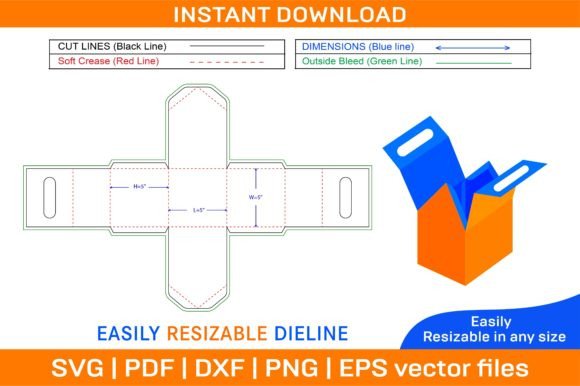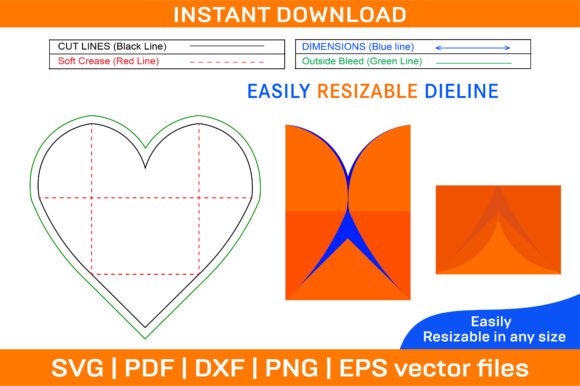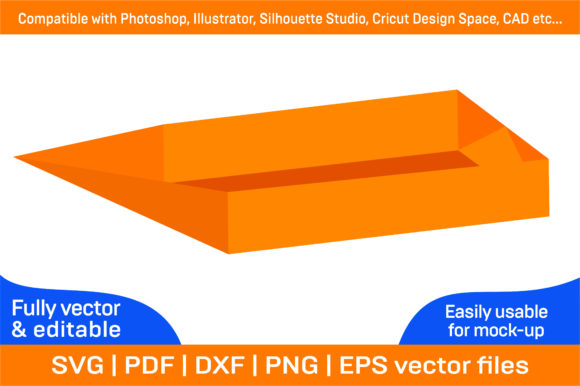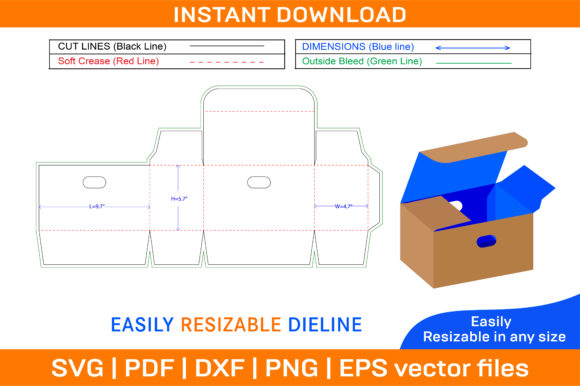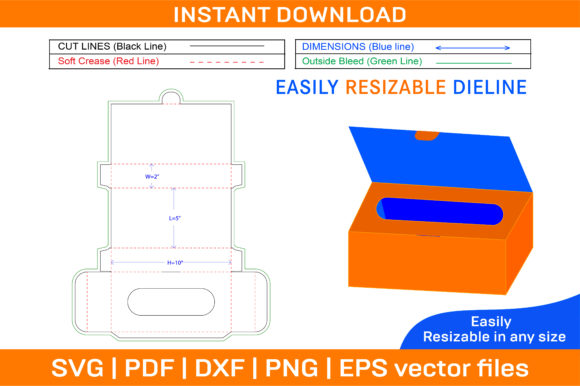
House Shaped Top Flip Box Dieline Templa
As a designer who spends more time looking at stitch density and fabric grain than marketing copy, I approach every new download with a healthy dose of skepticism. We have all been there: you buy a "cute" design, only to find it is too intricate for your machine or too generic for your brand. That is why I take the time to evaluate House Shaped Top Flip Box Dieline Templa not just as a graphic, but as a functional asset for real-world embroidery projects. This isn't about hype; it is about whether this design can hold up under the needle and stand out on a shelf.
First Impressions: Mood and Visual Personality
The moment I opened the archive, the first thing that struck me was the structural clarity. Unlike organic, free-form floral designs that rely heavily on negative space, this house shaped top flip box dieline templa offers a defined, architectural silhouette. It feels grounded, cozy, and inherently domestic. The shape suggests shelter, storage, and care—themes that resonate deeply in the handmade community.
Visually, it creates a mood of organized warmth. It does not scream for attention with loud colors or chaotic patterns; instead, it invites the viewer to look closer. For an embroidery project, this translates to a design that feels intentional rather than accidental. It has a visual personality that fits perfectly into the current trend of "slow living" aesthetics. When I imagine this stitched onto a product, it doesn't feel like a sticker slapped on; it feels like part of the object’s identity. The clean lines suggest that the final finished product will look professional and polished, which is exactly what buyers expect when they pay a premium for handmade products.
Real-World Application: Where This Design Shines
I put this design through its paces mentally by mapping it against several common scenarios for Etsy sellers and small business owners. The versatility of the house-box motif makes it surprisingly adaptable across multiple categories.
- Custom Apparel and Accessories: Imagine this design embroidered on the chest of a heavyweight sweatshirt or the front panel of a structured cap. The geometric nature of the house shaped top flip box dieline templa holds up well on curved surfaces because the eye follows the clear outline. It works beautifully as a sweatshirt embroidery piece for autumn, evoking feelings of coming home.
- Baby and Nursery Items: There is a natural affinity between house shapes and baby themes. On a soft muslin blanket or a onesie, this design reads as safe and nurturing. It pairs exceptionally well with pastel thread colors, creating a gentle baby embroidery aesthetic that appeals to new parents looking for meaningful gifts.
- Kitchen and Home Decor: This is perhaps the strongest use case. A tea towel featuring this printable mockup-ready design immediately signals hospitality. Whether used for a wedding gift or a boutique kitchen collection, the box shape implies utility and charm. It transforms a simple kitchen towel into a branded item that customers want to display.
- Patches and Badges: Because the design has a distinct border-like quality, it lends itself well to being converted into an embroidered patch. The clean edges allow for effective satin stitching around the perimeter, giving it a badge-like appearance that looks great on denim jackets or canvas tote bags.
Technical Considerations and Stitch Behavior
While the visual appeal is strong, a designer must consider how the design behaves physically. The House Shaped Top Flip Box Dieline Templa relies on structure, so the type of stitches used will dictate the final look. If executed with a dense fill stitch, the design will pop off the fabric, creating a tactile experience. However, if the stitch density is too high on thin fabrics, it may pucker.
I recommend paying close attention to the corners of the house and the box flap. These are areas where stitch density can become tricky. On textured fabrics like linen or heavy cotton, the needle may struggle to penetrate evenly, potentially distorting the sharp angles that give the design its character. In such cases, a stabilizer is non-negotiable. Using a cut-away stabilizer for permanent garments and a tear-away for temporary items like aprons will ensure the integrity of the machine embroidery design.
Furthermore, the contrast between the thread and the fabric is critical. Since the design features internal details (the box fold), low-contrast thread colors might get lost in the background. I advise testing light threads on dark fabrics and vice versa. If you are using a single color, ensure the line weight is sufficient to remain visible after washing. For multi-color versions, the transition between the house body and the box detail should be handled with a clean jump trim or a well-placed color change to avoid bulkiness.
Where to Exercise Caution
Not every surface is suitable for this design. I would avoid placing this on highly stretchy knit fabrics without proper stabilization, as the tension could distort the house shape over time. Similarly, on very small hoop sizes, the finer details of the box dieline may become muddy. If the design includes tiny lettering or intricate window panes, test these elements carefully. They may require a larger hoop size to maintain clarity. Additionally, for items that undergo frequent industrial washing, such as commercial uniforms, ensure that the thread quality is high-grade polyester to prevent fading or fraying, which could detract from the brand consistency of the craft business.
Strategic Value for Sellers and Makers
From a business perspective, this design offers significant value. It taps into the universal symbol of "home," which has broad appeal. For digital product sellers, offering this as a digital embroidery file allows for instant delivery, meeting the modern consumer's desire for convenience. For physical goods, it serves as a versatile template that can be customized with different thread colors to match seasonal trends—warm tones for fall, cool blues for winter, etc.
The inclusion of various file formats in the ZIP archive means you can adapt this graphics asset for both direct embroidery and digital marketing. You can create a printable mockup for your Etsy listing before you even stitch the first sample, saving time and material costs. This dual utility enhances the design assets portfolio, allowing you to present a cohesive brand image across digital and physical touchpoints.
Final Verdict
The House Shaped Top Flip Box Dieline Templa is a solid, practical addition to any designer’s library. It avoids the pitfalls of overly complex designs that frustrate machines while maintaining enough visual interest to engage customers. It is reliable, aesthetically pleasing, and commercially viable. Before integrating it into your main production line, I strongly recommend running a test on scrap fabric to confirm the hoop size compatibility and to inspect the thread colors under natural light. Once you have dialed in those technical details, you will find that this design delivers a high-quality embroidery project result that elevates your small shop product offerings and builds trust with your buyers through consistent, professional execution.