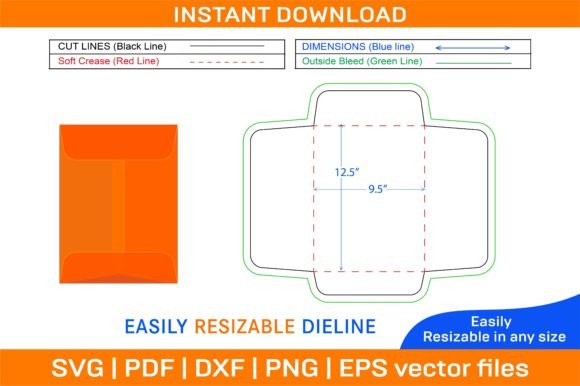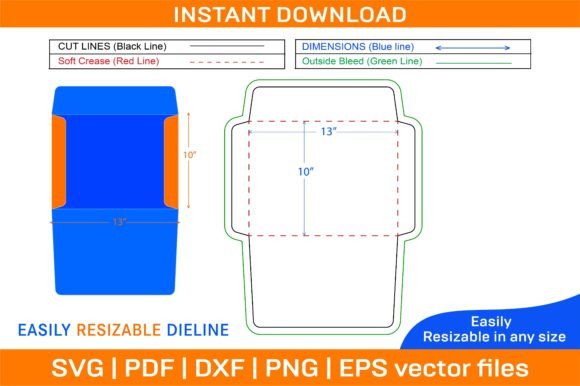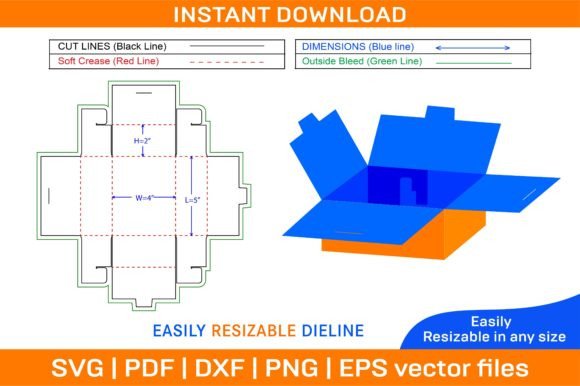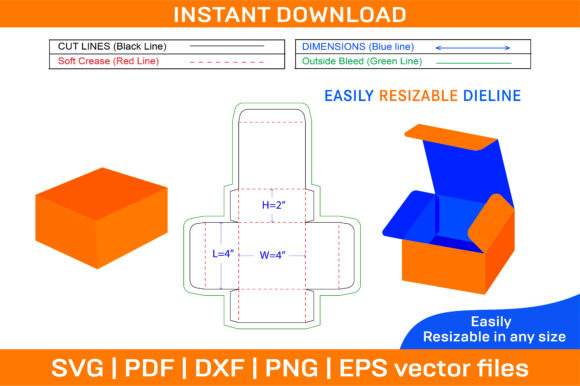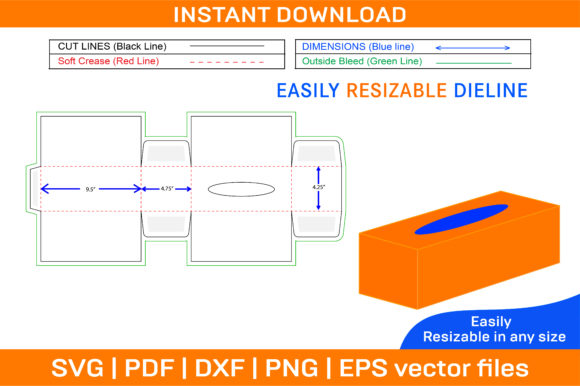
Facial Tissue Box 9.5x4.75x4.25 Inch Graphics and Print Templates
In the world of digital publishing, visual hierarchy is not just an aesthetic choice; it is a functional necessity. As a blog designer who has spent years optimizing content for readability, engagement, and conversion, I have learned that the difference between a scroll-past and a click-through often lies in the quality of your graphic design assets. Today, I am reviewing a specific asset that caught my eye during a recent workflow audit: the Facial Tissue Box 9.5x4.75x4.25 Inch. This is not merely a product mockup; it is a versatile graphic design asset that bridges the gap between physical packaging and digital editorial needs.
The First Impression: Editorial Mood and Visual Identity
When I first unpacked the ZIP archive containing this Print Templates and Graphics package, my initial reaction was one of practical appreciation. The asset features a facial tissue customized box 9.5x4.75x4.25 inch dieline template and 3D box design. It presents as a clean, paper-based folding box, which inherently suggests themes of care, hygiene, home organization, and daily wellness. The mood it creates is grounded yet approachable. It feels modern, clean, and slightly playful without being overly decorative.
For a content creator, this visual language is powerful. It naturally supports niches such as lifestyle blogging, health and wellness guides, home organization tips, and small business branding for eco-friendly products. Unlike stark, corporate minimalism, this asset carries a sense of tactile reality. When used correctly in web design, it signals to the reader that the content is relatable and human-centric. It transforms abstract concepts like "self-care" or "home efficiency" into something tangible, which is crucial for building reader trust in long-form articles.
Integrating Design Assets into Real Publishing Workflows
The true value of this asset lies in its versatility across multiple platforms. In my experience, successful bloggers do not treat their images as static decorations; they treat them as integral parts of the user interface. Here is how this printable box template fits into a real-world content strategy:
- Blog Featured Images: A high-quality 3D render of a tissue box can serve as a compelling hero image for articles about household management, spring cleaning, or allergy season preparedness. It provides a focal point that breaks up text-heavy layouts.
- Pinterest Pins: Pinterest is a visual search engine where clarity wins. This asset works beautifully as a background or central element for pins offering "DIY Organization Hacks" or "Essential Home Goods." The dimensions and perspective allow for clear overlay text, ensuring your message remains legible.
- Digital Guides and Lead Magnets: If you are creating a downloadable PDF checklist for organizing a linen closet, this box design serves as an excellent cover element or section divider. It reinforces the theme of the digital guide and makes the resource feel more premium.
- Newsletter Graphics: Email marketing requires quick visual recognition. Using this design asset in banner headers helps establish brand consistency, especially if your newsletter focuses on lifestyle or domestic topics.
- Social Media Content: For Instagram posts or Facebook ads promoting affiliate products, this 3D representation offers a professional alternative to flat photography. It allows you to showcase a concept even if you do not have the physical product on hand.
Enhancing Content Performance Through Visual Hierarchy
Why does this specific asset matter for performance metrics? Because it supports stronger first impressions. When a visitor lands on your site, their eyes scan for cues about credibility. A polished, well-integrated graphic design asset like this Folding box template signals that you pay attention to detail. This perception directly impacts click-through potential and time-on-page.
Furthermore, it aids in better category recognition. If your website has a dedicated section for "Home & Living," using consistent visual motifs—such as this type of packaging design—creates a subconscious link for your audience. They begin to associate that clean, organized aesthetic with the quality of advice you provide. This is a core component of effective brand identity in the digital space. By maintaining a cohesive visual system, you reduce cognitive load for your readers, making your content easier to digest and more enjoyable to navigate.
Strategic Placement: Where It Works Best
To maximize the impact of this creative design, placement is key. The asset shines brightest in areas where you want to evoke a sense of order and comfort.
- Hero Images: Use it as the primary visual above the fold to set the tone for lifestyle articles.
- Article Thumbnails: In grid layouts, the distinct shape of the box stands out against square photo thumbnails, drawing the eye.
- Editorial Accents: Place smaller versions of the PNG file within text blocks to break up paragraphs and add visual interest without distracting from the main narrative.
- Downloadable Resources: As mentioned, it is ideal for worksheets, eBooks, and printable planners related to home organization.
- Media Kits: For influencers and affiliates, including this kind of high-quality mockup in your media kit demonstrates professionalism and attention to aesthetic detail.
Areas Requiring Careful Consideration
No single asset is a universal solution. There are contexts where this modern design might clash with your editorial goals. You should use it carefully in serious professional niches, such as legal advice or financial planning, where the playful nature of a tissue box might undermine authority. Similarly, avoid using it on websites that demand a very minimal, brutalist, or ultra-corporate visual system.
Technical considerations are also vital. On small mobile thumbnails, complex details of the 3D box may become indistinct. Ensure the resolution is sufficient so that edges remain sharp. Additionally, be mindful of low-contrast backgrounds; if your website theme is dark or heavily patterned, the white or light-colored paper texture of the box may get lost. Always test visibility before finalizing your layout.
Practical Publisher Notes for Implementation
As you integrate this asset into your content marketing strategy, keep these technical checks in mind:
- Cross-Device Testing: View the graphics on both desktop and mobile screens. Ensure the aspect ratio works for vertical social media posts as well as horizontal web banners.
- Typography Pairing: Experiment with font pairings. This asset pairs well with clean sans-serif fonts for a modern look, but can also complement serif fonts for a more traditional editorial feel. Avoid script fonts unless you are aiming for a very specific artistic vibe.
- File Optimization: Although the ZIP contains vector files (SVG, EPS, AI), you will likely need rasterized versions (PNG) for web use. Compress these images properly to maintain fast page load speeds, which is critical for SEO and user experience.
- Licensing Verification: Before using this on monetized websites, affiliate pages, or paid content products, confirm the commercial license terms. Most marketplaces offer broad rights, but verifying this protects your small business branding from legal issues.
- Contrast Checks: Preview the asset in black and white to ensure the structural lines hold up without color distraction. This helps verify that the form itself is strong enough to carry the design.
Ultimately, the Facial Tissue Box 9.5x4.75x4.25 Inch is more than just a print template; it is a tool for enhancing communication. By understanding its strengths and limitations, you can deploy it effectively to support your editorial vision, improve your visual hierarchy, and create a more engaging experience for your audience. Whether you are updating your Canva templates or designing new affiliate marketing visuals, this asset offers a reliable foundation for professional-looking content.