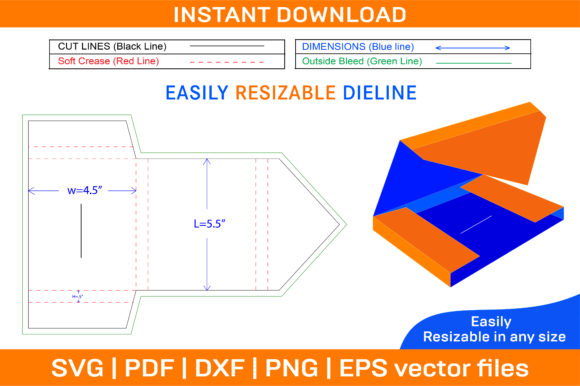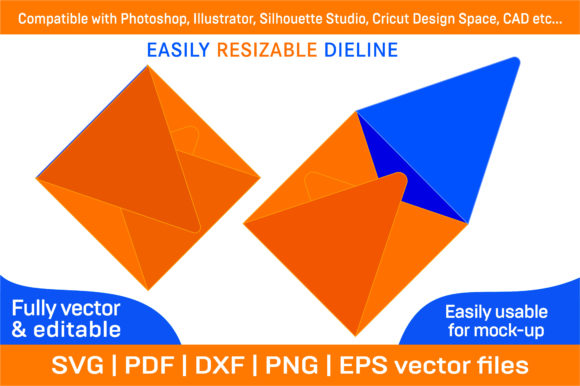
Custom Envelope Dieline Template and 3D Graphics
In the world of digital publishing, the difference between a casual blog post and a polished editorial experience often comes down to visual hierarchy. As a designer who has spent years building content ecosystems for bloggers, educators, and affiliate marketers, I know that readers judge the credibility of information before they read a single word. This is why selecting the right graphic design asset is not just an aesthetic choice; it is a strategic business decision.
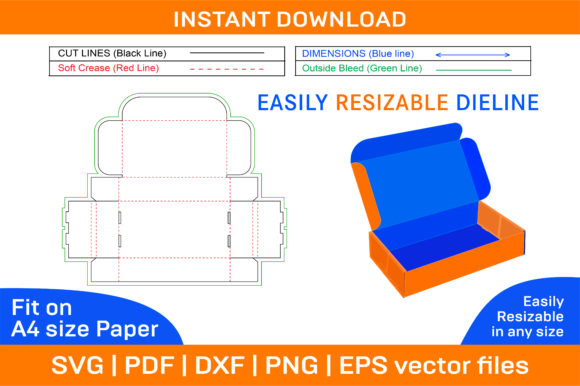
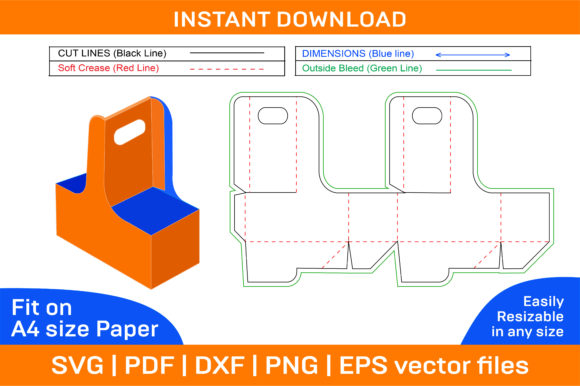
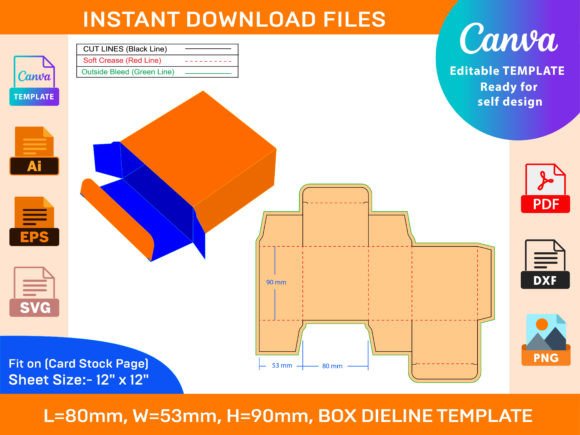
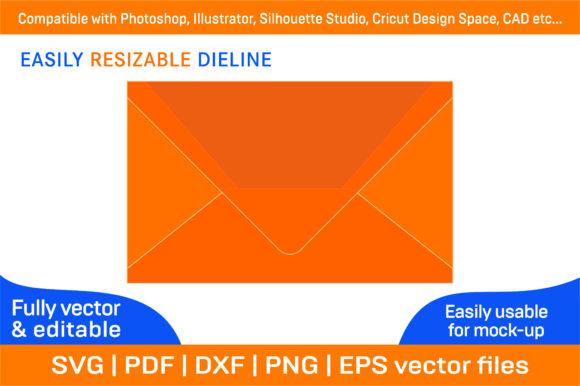
I recently evaluated a specific set of files marketed as a Custom envelope dieline template and 3D envelope design, paper box, folding box, foldable box, printable box template. The ZIP archive contains SVG, PDF, EPS, DXF, AI, PNG files. The ZIP archive conta various formats that allow for deep customization. My goal was to determine if this asset could elevate real-world content marketing projects, from newsletter headers to downloadable lead magnets. Here is my review from the perspective of a digital publisher focused on conversion, trust, and professional presentation.
The First Impression: Editorial Mood and Visual Trust
When you first open a package of vector-based print templates, the immediate question is always about tone. Does this asset feel like a cluttered clip-art collection, or does it possess the clean lines necessary for modern web design? The Custom envelope dieline template and 3D assets strike a balance that is surprisingly rare in the creative marketplace. They evoke a sense of tangible quality. In an industry where our products are entirely digital, using visuals that suggest physical craftsmanship can subconsciously increase the perceived value of your content.
This design style leans towards a modern, clean aesthetic with a touch of tactile warmth. It works exceptionally well for niches that rely on lifestyle branding, educational resources, or small business branding. If you are publishing content related to organization, stationery, self-care, or professional development, this asset helps create a cohesive brand identity. It signals to the reader that you care about details, which translates directly into higher reader trust.
Integrating Print Templates into Digital Workflows
One of the most common misconceptions among online creators is that Print Templates and Graphics are only useful for physical production. However, when used correctly, these vector files become powerful tools for web design and content marketing. Because the files include SVG and AI formats, they remain crisp at any resolution, making them ideal for high-DPI screens and retina displays.
Here is how I have seen this specific asset class transform typical publishing workflows:
- Featured Images and Thumbnails: Instead of generic stock photos, use the 3D envelope mockup as a base layer. Overlay your article title using strong typography. This creates a unique visual signature that stands out in crowded social media feeds.
- Pinterest Pins: Pinterest is a visual search engine. A pin featuring a realistic 3D box or envelope design stops the scroll because it looks different from flat illustrations. You can place your "click-worthy" headline inside the negative space of the envelope design.
- Lead Magnets and Digital Guides: If you are offering a free worksheet or eBook, cover designs matter. Using the printable box template as a background texture adds depth to your PDF covers, making them look like premium digital products rather than basic documents.
- Newsletter Headers: Email clients struggle with heavy images, but a clean vector graphic of an envelope or folded box can serve as a subtle brand accent behind your subject line preview text.
Supporting Content Performance Through Visual Hierarchy
Effective editorial design is not just about making things pretty; it is about guiding the eye. A well-designed graphic design asset supports your message by creating a clear visual hierarchy. When you use the Custom envelope dieline template and 3D elements, you are introducing geometric shapes that naturally frame content.
By placing text within the boundaries of the envelope or box, you create a focal point. This technique improves click-through potential because the user’s eye is drawn immediately to the central area where your call-to-action usually resides. Furthermore, consistency is key to small business branding. If you use variations of this template across your website, social media, and email campaigns, you build a recognizable visual language. Readers begin to associate that specific style with your voice, which strengthens your overall visual identity.
Where This Asset Shines in Your Publishing Stack
Based on the versatility of the included formats (SVG, PDF, EPS, DXF, AI, PNG), this asset fits seamlessly into several high-impact areas of a content site:
- Hero Images: Use the 3D render as a backdrop for your homepage banner. It adds dimension without overwhelming the navigation menu.
- Category Visuals: Assign different colors or orientations of the envelope template to different blog categories (e.g., "Tips," "Resources," "News"). This aids in quick navigation and category recognition.
- Social Media Previews: Create a series of Instagram posts where each slide reveals a part of the 3D box. This encourages engagement as users swipe through the story.
- Affiliate Content Visuals: When reviewing a product, use the template to create a "virtual unboxing" graphic. Even if the product is digital, this visual metaphor communicates the idea of receiving something valuable.
Critical Considerations for Responsible Use
While this asset is powerful, it is not a universal solution. There are specific contexts where this design style may detract from your message. For instance, in serious professional niches such as legal advice, medical health, or corporate finance, a playful or decorative envelope design might undermine the authority of your content. In these cases, a more minimal visual system is preferred.
Additionally, be mindful of mobile optimization. On small mobile thumbnails, complex 3D details can become muddy. Always test your graphics at 100x150 pixels to ensure the core shape remains recognizable. Avoid using busy layouts where the texture of the box competes with dense body text. If you are using a script font or handwritten font alongside this asset, ensure there is enough contrast so the text remains readable against the potentially textured background of the envelope design.
Practical Publisher Notes for Implementation
To get the most out of this design asset, follow these technical best practices:
- Test Across Devices: Preview the final composition on both desktop monitors and mobile phones. Ensure the white space is sufficient for touch targets.
- Check Contrast and Readability: Place your headline text over the lightest parts of the design. If the background is dark, lighten it or add a semi-transparent overlay to maintain accessibility standards.
- Font Pairing: Experiment with pairing the geometric nature of the envelope with a clean sans-serif font for headings and a legible serif font for body text. Avoid overly decorative fonts that clash with the structural lines of the template.
- Optimize File Size: Even though the source files are vectors, export your final web images as optimized PNGs or WebPs. Large file sizes slow down page load times, which negatively impacts SEO and user experience.
- Verify Licensing: Before using this asset on monetized websites, affiliate pages, or paid content products, confirm the commercial license terms. Most marketplaces allow commercial use, but some restrict resale or require attribution.
Ultimately, the Custom envelope dieline template and 3D is more than just a collection of lines and shapes. It is a tool for elevating your content marketing efforts. By integrating these print templates into your Canva template workflows or Adobe Illustrator projects, you bridge the gap between physical craftsmanship and digital efficiency. For bloggers and publishers looking to enhance their editorial design and boost reader engagement, this asset offers a sophisticated, modern solution that pays dividends in brand perception and click-through rates.