Chocolate Box Die Cut Template and 3D
As a designer who spends half my life staring at stitch counts and the other half worrying about whether a customer will actually wear the item I just made, I approach every new file with a healthy dose of skepticism. We have all seen the endless streams of generic hearts, stars, and basic shapes clogging up our design libraries. So, when I encountered the Chocolate Box Die Cut Template and 3D, I wasn't just looking for another cute graphic; I was looking for something that could translate into a tangible, high-value handmade product. This review breaks down how this specific machine embroidery design holds up under the scrutiny of real-world application, from the hoop to the final gift wrap.
First Impressions: Mood and Visual Personality
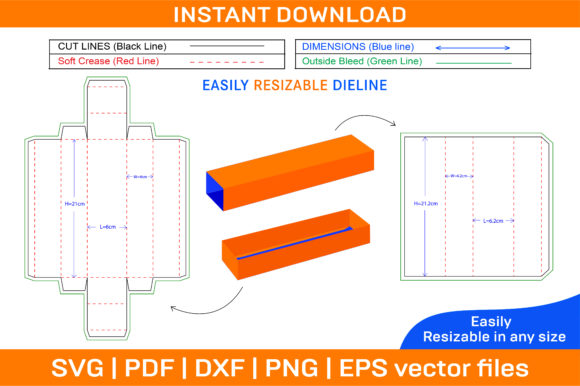
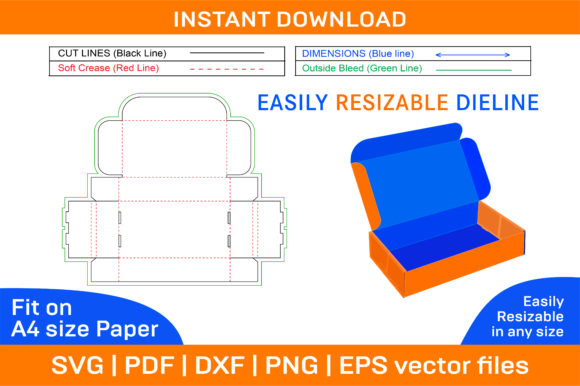
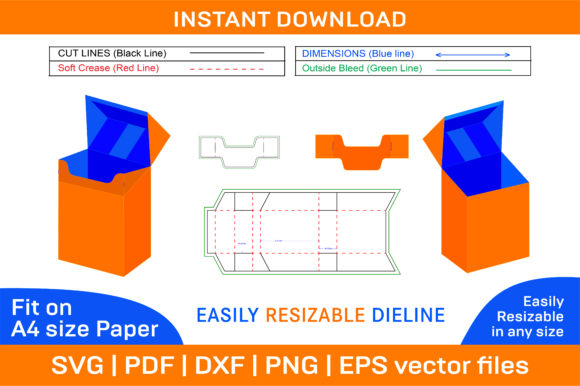
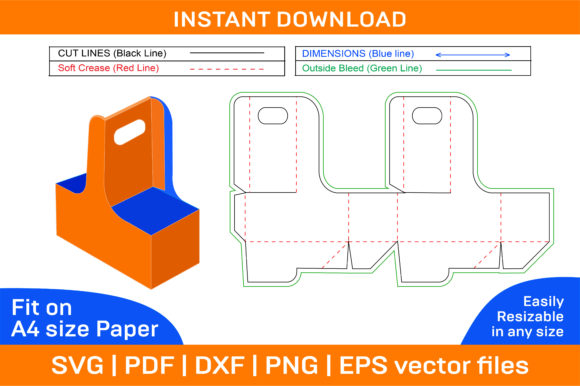
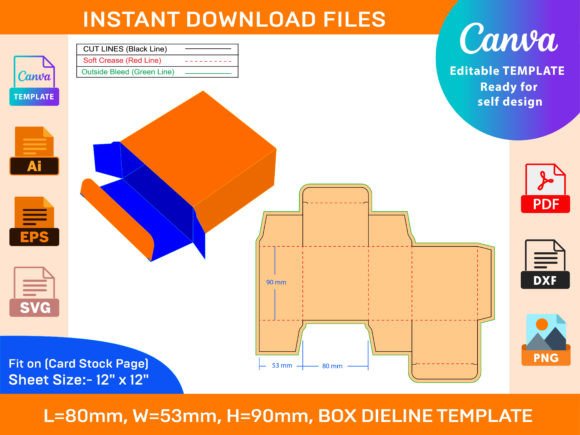
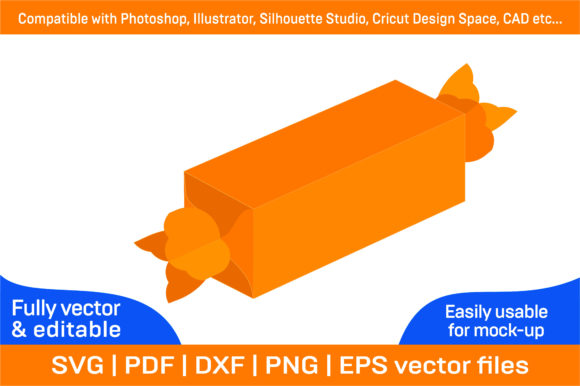
The moment you open the ZIP archive containing the Chocolate Box Die Cut Template and 3D, the intent is clear. This isn't just a flat image; it is a structural concept rendered in digital form. The design evokes a sense of nostalgia and indulgence. It feels like a premium treat, which immediately suggests its primary use case: gifting. The "die cut" aspect implies clean lines and distinct edges, while the "3D" component suggests depth and dimensionality.
Visually, the layout strikes a balance between playful and sophisticated. It avoids the cluttered aesthetic of many novelty designs. Instead, it offers a focused, central motif that commands attention without overwhelming the surrounding space. For an Etsy seller or a craft business owner, this visual clarity is crucial. Customers scroll quickly on mobile devices; they need to see exactly what they are buying within seconds. A design that reads clearly as a "chocolate box" or a "gift package" communicates value instantly. It promises quality, sweetness, and care—attributes that buyers associate with higher price points in the handmade market.
Real-World Application: From Hoop to Hand
Let’s move beyond the screen and talk about stitching. I took this embroidery file and ran through a mental simulation of several common project types to see where it fits best.
- Custom Apparel: Imagine this stitched onto the pocket of a denim jacket or the chest of a heavy cotton sweatshirt. The satin stitch outlines would likely provide a crisp, professional edge against textured fabrics. It works particularly well for sweatshirt embroidery during the holiday season or as a birthday gift. The contrast between the soft fabric and the structured, box-like shape creates a pleasing tactile experience.
- Baby Items: This design has a gentle, whimsical quality that translates beautifully to baby clothes. Picture it on a muslin burp cloth, a hooded towel, or a onesie. Because it is not overly complex or aggressive in its imagery, it appeals to parents looking for something gender-neutral yet charming. It serves as a perfect personalized gift for baby showers, adding a touch of boutique flair to mass-market blank items.
- Home Decor and Kitchen Textiles: One of my favorite uses for this type of design is on kitchen towels or tea towels. The theme of sweets and treats fits naturally in a kitchen setting. When embroidered on a high-quality linen or cotton blend, it adds a pop of personality to a functional item. It also works well on pillow covers, bringing a cozy, inviting vibe to a nursery or living room.
- Patches and Accessories: The die-cut nature of the design makes it an excellent candidate for an embroidered patch. You can easily apply a tear-away stabilizer behind the design, stitch it out, and then iron or sew it onto tote bags, caps, or backpacks. It transforms a plain accessory into a statement piece, increasing its perceived value significantly.
Where Caution Is Required
No design is universally perfect, and understanding the limitations of the Chocolate Box Die Cut Template and 3D is key to avoiding costly mistakes. Here are the areas where a designer needs to exercise judgment:
- Small Hoop Sizes: If the design contains intricate details or tiny text (which is common in template files), testing it in a very small hoop is risky. Fine lines can merge together if the stitch density is too high or the fabric is unstable. Always verify the minimum viable size before committing to a small project like a hat brim or a child’s sock.
- Fabric Texture and Stability: Highly textured fabrics, such as waffle weave or heavy boucle, can obscure fine details. Similarly, thin or stretchy fabrics require robust stabilization. Without proper support, the "3D" effect might pucker or distort, ruining the clean look that makes this design appealing. Use a cut-away stabilizer for knits and a sturdy tear-away for wovens.
- Color Contrast: The success of any machine embroidery design hinges on thread choice. On dark fabrics, ensure your thread colors provide sufficient contrast. If the design relies on subtle shading or light pastel threads, it may disappear entirely on black or navy backgrounds. Test your thread colors on scrap pieces of your actual target fabric before starting the final product.
- Dense Stitch Areas: Check the stitch density carefully. If large sections are filled with dense satin stitches, the resulting fabric may become stiff and uncomfortable, especially for wearable items like t-shirts or baby clothes. Balance is essential; too much stiffness can make a finished product feel cheap rather than premium.
Strategic Value for Digital and Physical Sellers
For those selling digital products or design assets, the versatility of this file is a major asset. The inclusion of multiple formats allows you to offer more than just embroidery files. You can create printable mockups showing the design on various backgrounds, helping customers visualize the end result. This enhances buyer engagement and reduces hesitation.
Furthermore, the "template" aspect suggests that there may be editable elements. If you can customize the text or colors for clients, you open up a whole new revenue stream for commercial embroidery services. Personalization is a huge driver in the handmade market, and a design that supports customization is infinitely more valuable than a static image.
Practical Designer Notes Before You Stitch
Before you rush to start production, follow these practical steps to ensure success:
- Test on Scrap Fabric: Never stitch directly onto your final product. Run the design on scraps of the same fabric and stabilizer combination you plan to use. This reveals issues with puckering, tension, or color bleeding early.
- Check Licensing: Confirm whether the license allows for commercial use. If you are planning to sell finished items, you need explicit permission. If you are selling the digital file itself, ensure the terms permit redistribution.
- Review in Black and White: Convert the design to grayscale to check for contrast issues. This helps identify areas that might be too light or too dark relative to each other, ensuring clarity regardless of the thread colors chosen.
- Inspect Small Details: Zoom in on the SVG or AI files to inspect corners and tiny elements. Ensure they are closed paths and that no stray nodes exist, which can cause stitching errors.
In conclusion, the Chocolate Box Die Cut Template and 3D is a thoughtful, versatile addition to any designer's library. It bridges the gap between digital graphics and physical craftsmanship with ease. By understanding its strengths and respecting its limitations, you can create stunning embroidery projects that delight customers and elevate your brand. Whether you are making a single personalized gift for a friend or building a line of small shop products for your online store, this design provides a solid foundation for creativity and profit.