Chamfer Box Embroidery Review
As a designer who spends half the day staring at vector paths and the other half troubleshooting stitch errors, I approach every new download with a healthy dose of skepticism. We’ve all been there: you buy a file that looks stunning in the thumbnail, only to realize it’s a tangled mess of unnecessary nodes when you load it into your embroidery software. That is why I decided to put Chamfer Box for Toy Dieline Template and through its paces before recommending it to my network of craft business owners and fellow makers.
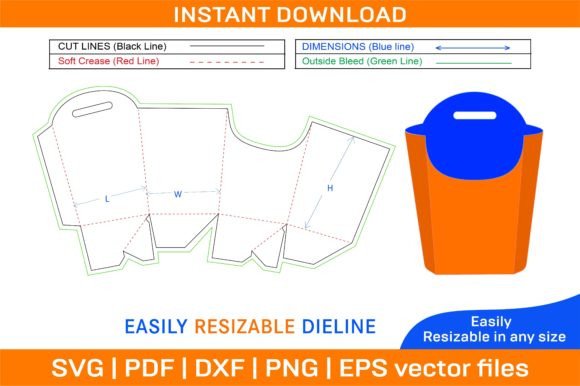
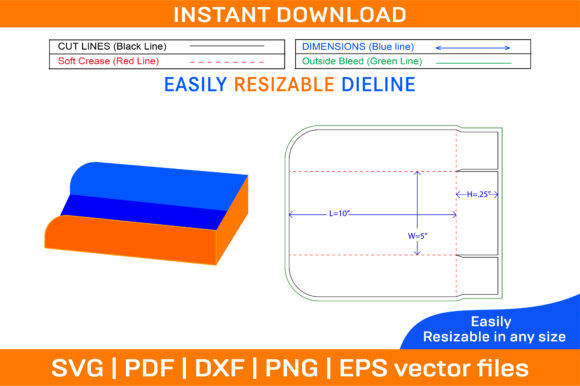
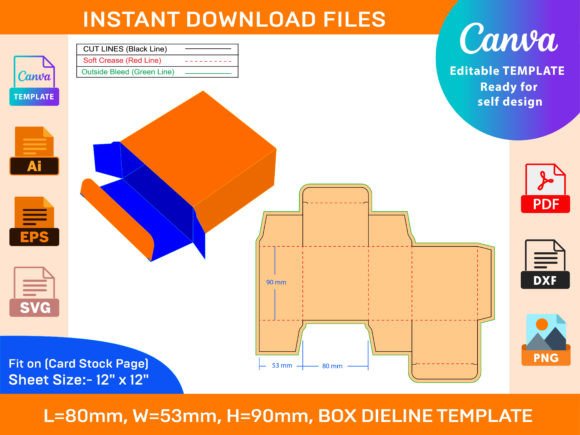
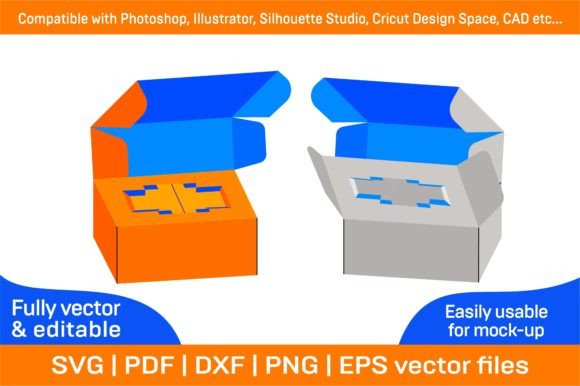
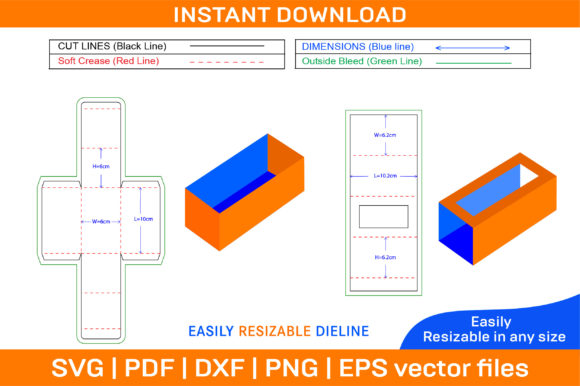
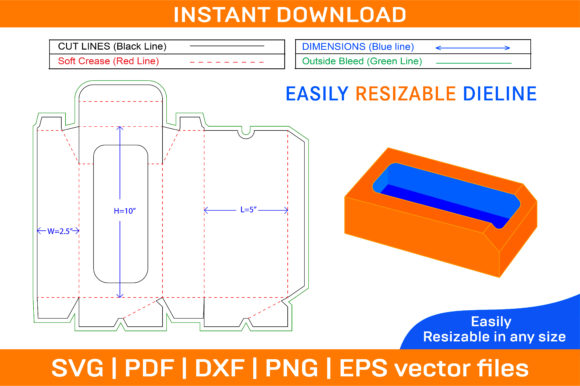
This isn’t just another generic shape file. It falls under the category of Print Templates and Graphics, but its application in machine embroidery opens up some very specific, high-value niches. The product description highlights that this is a dieline template for a 3D box design—essentially a flat pattern that folds into a chamfered container. While that sounds like packaging design, I see a massive opportunity for textile artists who want to create structured, dimensional accents on soft goods.
First Impressions: Geometry Meets Softness
The moment I loaded the files (which include SVG, PDF, EPS, DXF, AI, and PNG formats), the clean lines stood out. Chamfer boxes are defined by their angled corners rather than sharp 90-degree edges, giving them a modern, slightly softer aesthetic than traditional squares or rectangles. In the context of an embroidery project, this geometric simplicity is a double-edged sword. It offers excellent clarity because there are no intricate florals or complex textures to confuse the stitching algorithm, but it also demands precision. If your tension is off even slightly, those straight lines can wobble, ruining the crisp industrial look the design intends to convey.
The visual personality here is minimalist and architectural. It doesn’t scream for attention; instead, it provides a sophisticated frame. This makes it an ideal candidate for custom apparel where branding needs to be prominent but not overwhelming. Think of it as a canvas within a canvas—a structured border that holds text or logos with authority.
Real-World Application: From Digital File to Finished Product
I wanted to test how this design translates from a digital asset to a physical item, so I simulated a few common scenarios for small business owners. The most compelling use case I found was for branded merchandise, specifically tote bag design projects. Imagine a heavy-duty canvas tote with a large, centered chamfer box embroidered in a contrasting thread color. Inside that box, you could place a company logo or a motivational quote. The structure of the box grounds the design, making the bag look professionally designed rather than hastily stitched.
Another strong contender is sweatshirt embroidery. A chamfer box placed over the heart or across the lower hem works beautifully for streetwear aesthetics. Because the shape is blocky, it pairs well with bold sans-serif fonts. For Etsy sellers looking to expand their catalog, this design allows for endless personalization. You can swap out the interior content while keeping the consistent, recognizable outer frame. This consistency builds brand recognition, which is crucial for turning one-time buyers into loyal customers.
I also considered baby embroidery applications. While chamfer boxes might seem too rigid for nursery items, they work surprisingly well when used as a frame for names or birth dates. The clean lines provide a modern alternative to traditional cursive scripts, appealing to parents who prefer contemporary decor. Similarly, for holiday embroidery, these boxes can serve as tags or labels on gift bags, adding a touch of elegance to homemade presents.
Where to Exercise Caution
Despite its strengths, this design is not a universal fit. As an experienced reviewer, I must highlight where this machine embroidery design might fail if used incorrectly. First, avoid using this on highly textured fabrics like thick terry cloth or bouclé. The stabilizer will struggle to hold the needle steady, leading to puckering along the straight edges. Thin fabrics are also risky; without adequate tear-away or cut-away stabilizer support, the fabric may distort under the pressure of the hoop.
Curved surfaces present another challenge. While the design is meant for flat panels, applying it to caps or hats requires careful digitizing adjustments to account for curvature. If the design is too large for the available hoop size, you will run into registration issues. Furthermore, be mindful of stitch density. Since this is primarily a linear design, relying heavily on satin stitch for the borders is necessary for durability, but excessive density can make the fabric stiff and uncomfortable, especially on personalized gift items that will be worn frequently.
Small details are another pitfall. If you attempt to cram tiny text inside the chamfer box, you risk losing legibility after washing. The design relies on negative space and clear boundaries; cluttering it defeats its purpose. Additionally, dark fabrics require high-contrast thread colors. A low-contrast combination will cause the geometric shape to blend into the background, negating the structural benefit of the design.
Practical Designer Notes for Success
To get the best results from Chamfer Box for Toy Dieline Template and, follow these practical steps before committing to your final product:
- Test on Scrap Fabric: Always run a test stitch on a scrap piece of the same material you plan to use. Check for puckering, thread breaks, and alignment accuracy.
- Check Thread Color Contrast: Use black-and-white mockups to ensure the design stands out. High contrast is key for geometric shapes.
- Review Stitch Density: Ensure the stitch density is appropriate for the fabric weight. Too dense, and the fabric becomes rigid; too sparse, and the stitches look loose.
- Confirm Hoop Size: Verify that the design fits comfortably within your machine’s maximum hoop size to avoid multi-hooping errors.
- Inspect Small Details: Zoom in on the digital file to check for any overlapping nodes or unnecessary complexity that could slow down stitching.
- Use Proper Stabilizer: Choose a stabilizer that matches your fabric type. Cut-away is generally safer for stretchy fabrics, while tear-away works well for stable woven materials.
- Verify Licensing: Before selling finished items or offering this as a digital embroidery file in your shop, confirm the licensing terms. Commercial rights are essential for craft business operations.
Final Verdict
Chamfer Box for Toy Dieline Template and is a versatile, professional-grade asset that bridges the gap between graphic design and textile art. It excels in creating structured, modern looks for commercial embroidery projects, particularly in the realms of branded merchandise, custom apparel, and personalized gifts. Its clean geometry allows for easy customization, making it a valuable tool for small shop products aiming for a cohesive brand identity.
However, success depends on execution. By paying attention to fabric choice, stabilizer selection, and thread contrast, designers can transform this simple dieline into a standout feature. For Etsy sellers and creative entrepreneurs looking to add a touch of sophistication to their offerings, this design is a smart investment. Just remember to test thoroughly and respect the limitations of your equipment. When done right, the result is a polished, durable, and visually striking finished product that customers will appreciate.