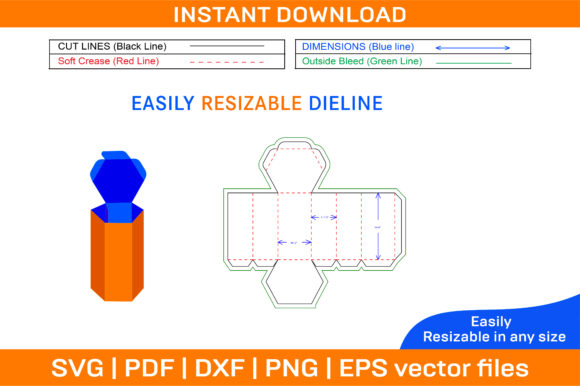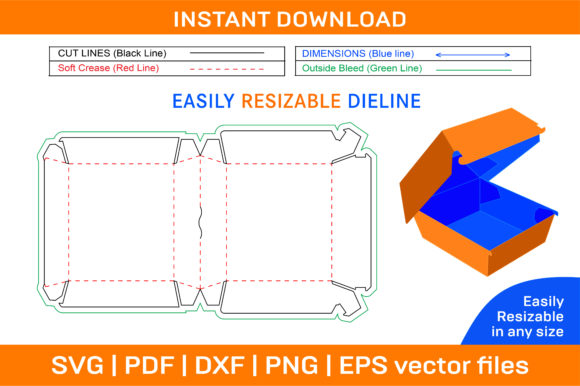
Burger Packaging Box 178 X 160x80 Mm Graphics and Print Templates Review
In the world of content marketing and brand design, the difference between a forgettable post and a campaign that converts often comes down to visual consistency. As a brand designer who has spent years helping small businesses and creative entrepreneurs build their identities, I know that every asset matters. Recently, I evaluated a specific graphic design asset for a client’s upcoming food product launch: the Burger Packaging Box 178 X 160x80 Mm. This dieline template and 3D box design is more than just a file; it is a foundational element for modern design in the culinary and lifestyle sectors.
This review explores how this Print Templates category item functions as a versatile Graphics resource. We will look at its emotional tone, practical applications across social media and packaging, and how it supports stronger first impressions for brands looking to establish audience trust.
The First Impression: Mood and Emotional Tone
When you first open the ZIP archive containing the SVG, PDF, EPS, DXF, and AI files, the immediate takeaway is structural clarity. The Burger Packaging Box 178 X 160x80 Mm exudes a sense of organized utility. It creates a mood that is both casual and professional—a balance that is difficult to achieve in brand identity work. Unlike overly ornate illustrations that can clutter a design, this paper box and folding box concept feels grounded.
The emotional tone it brings is one of tangible quality. In an era where digital content dominates, showing a realistic 3D box design suggests that the product behind it is real, packaged with care, and ready for delivery. For small business branding, this asset helps bridge the gap between digital marketing visuals and physical product presentation. It signals to the audience that the brand pays attention to detail, which is crucial for building audience trust before a customer even tastes the burger or tries the service.
Real-World Marketing Applications
I recently used a similar structural asset in a campaign for a local meal-prep startup. They needed to refresh their social media graphics and create cohesive marketing visuals for a seasonal offer. Here is how the Burger Packaging Box 178 X 160x80 Mm performed in those scenarios:
- Social Media & Instagram Posts: The clean lines of the box allow text overlays to sit neatly on top without visual competition. It serves as an excellent background for announcing new menu items or limited-time offers.
- Pinterest Pins: Vertical layouts benefit from the geometric stability of the box. It anchors the pin, making it stand out in a feed filled with flat images.
- Email Banners: Using the box as a decorative brand element adds depth to email headers, increasing click-through rates by making the content feel more tactile.
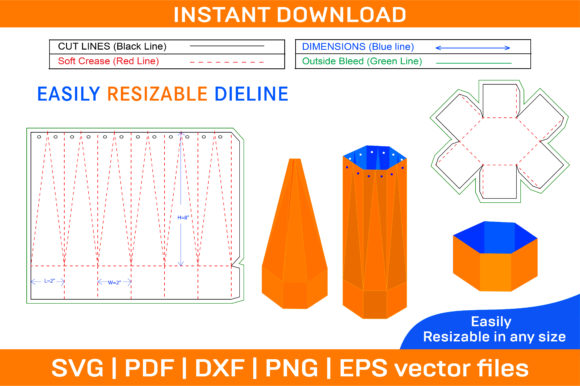
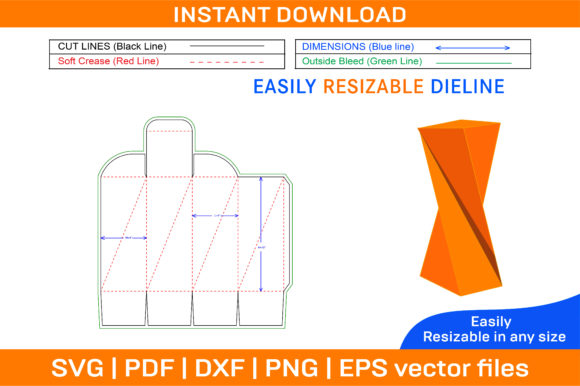
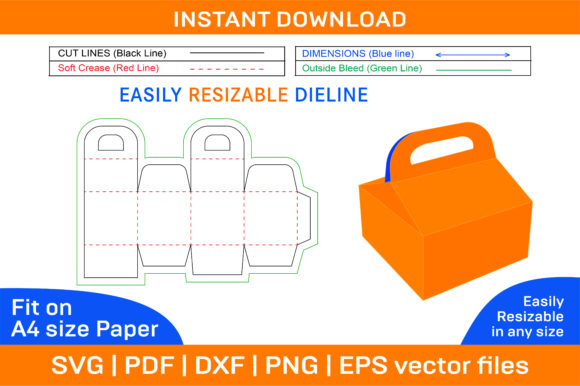
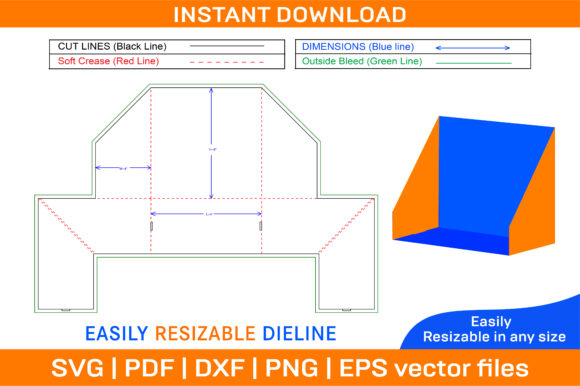
- Product Labels & Packaging Inserts: Since the asset includes a dieline template, it can be directly adapted for actual printing. This ensures that the logo design and color palette remain consistent from the digital ad to the physical box.
This versatility makes it a valuable part of any design bundle for creators who need to maintain a unified look across web design, editorial design, and physical merchandise.
Supporting Core Marketing Goals
A great graphic design asset should do more than look good; it should drive results. The Burger Packaging Box 178 X 160x80 Mm supports several key marketing objectives:
- Stronger First Impression: A well-rendered 3D box immediately communicates professionalism. It tells the viewer that the brand is established and serious about its craft.
- Clearer Visual Hierarchy: The structured shape of the box helps guide the eye. When paired with strong typography, it creates a clear path for the viewer’s attention, ensuring the main message isn’t lost.
- Better Product Presentation: Whether selling a physical burger kit or a digital recipe ebook, placing the product inside or next to this box provides context. It answers the question, "What am I buying?" instantly.
- Improved Audience Trust: Consistency breeds trust. By using the same structural motif across Facebook ads, website headers, and printed flyers, the brand becomes more recognizable and reliable.
Where This Asset Works Best
To get the most out of this commercial design resource, consider these high-impact use cases:
- Hero Graphics: Use the box as the central focal point on landing pages or campaign landing screens.
- Campaign Headers: It works exceptionally well for product launch visuals, providing a sturdy base for promotional text.
- Content Bundles: If you are creating a Canva template pack for other designers, including this 3D mockup adds significant perceived value.
- Decorative Brand Elements: Use smaller versions of the box as bullet points or dividers in blog posts and newsletters to break up text while maintaining theme.
Areas for Caution
No single asset fits every scenario. There are situations where the Burger Packaging Box 178 X 160x80 Mm should be used carefully or avoided:
- Formal Corporate Branding: If the brand voice is strictly corporate or legal, a burger box may feel too casual. Reserve it for lifestyle, food, or creative industries.
- Dense Information Layouts: Avoid placing complex data tables over the box. Let the design breathe; it competes best when it is a supporting element, not the sole container of information.
- Small Mobile Graphics: On very small screens, intricate details of the dieline might blur. Always test readability in small sizes and simplify if necessary.
- Overly Minimal Brands: If your brand aesthetic is ultra-minimalist (lots of white space, no textures), a detailed 3D box might feel out of place. Stick to flat vector versions in such cases.
Practical Brand Designer Notes
Before integrating this asset into your workflow, I recommend following these technical checks to ensure professional branding:
Test with Your Color Palette: Open the AI or EPS file and experiment with different fill colors. Does the box hold up in your brand’s primary color? Does it look premium in monochrome?
Check Black and White Usage: Convert the design to grayscale. This helps you understand the underlying structure and contrast. If the shape disappears in black and white, the design may lack sufficient definition for print.
Preview on Mobile Screens: Place the asset inside a smartphone mockup. Ensure that the text you plan to add remains legible and that the box doesn’t dominate the screen to the point of obscuring the call-to-action.
Font Pairing: Experiment with typography. A bold sans serif font works well for modern, clean looks. A script font can add a handmade, artisanal feel if you are targeting a boutique market. Avoid handwritten fonts that are too messy, as they may clash with the precise geometry of the box.
Commercial Licensing: Finally, always confirm the commercial license terms. While this is a digital product meant for resale or client use, understanding the restrictions protects your business from future legal issues.
Conclusion
The Burger Packaging Box 178 X 160x80 Mm is a robust, flexible graphic design asset that bridges the gap between digital marketing and physical packaging. For content creators, online coaches, and product creators, it offers a way to elevate their visual hierarchy and create memorable campaign visuals. By using it strategically in social media graphics, email banners, and printable promotions, you can enhance your brand identity and connect more deeply with your audience. It is a smart addition to any creative marketplace toolkit designed for efficiency and impact.